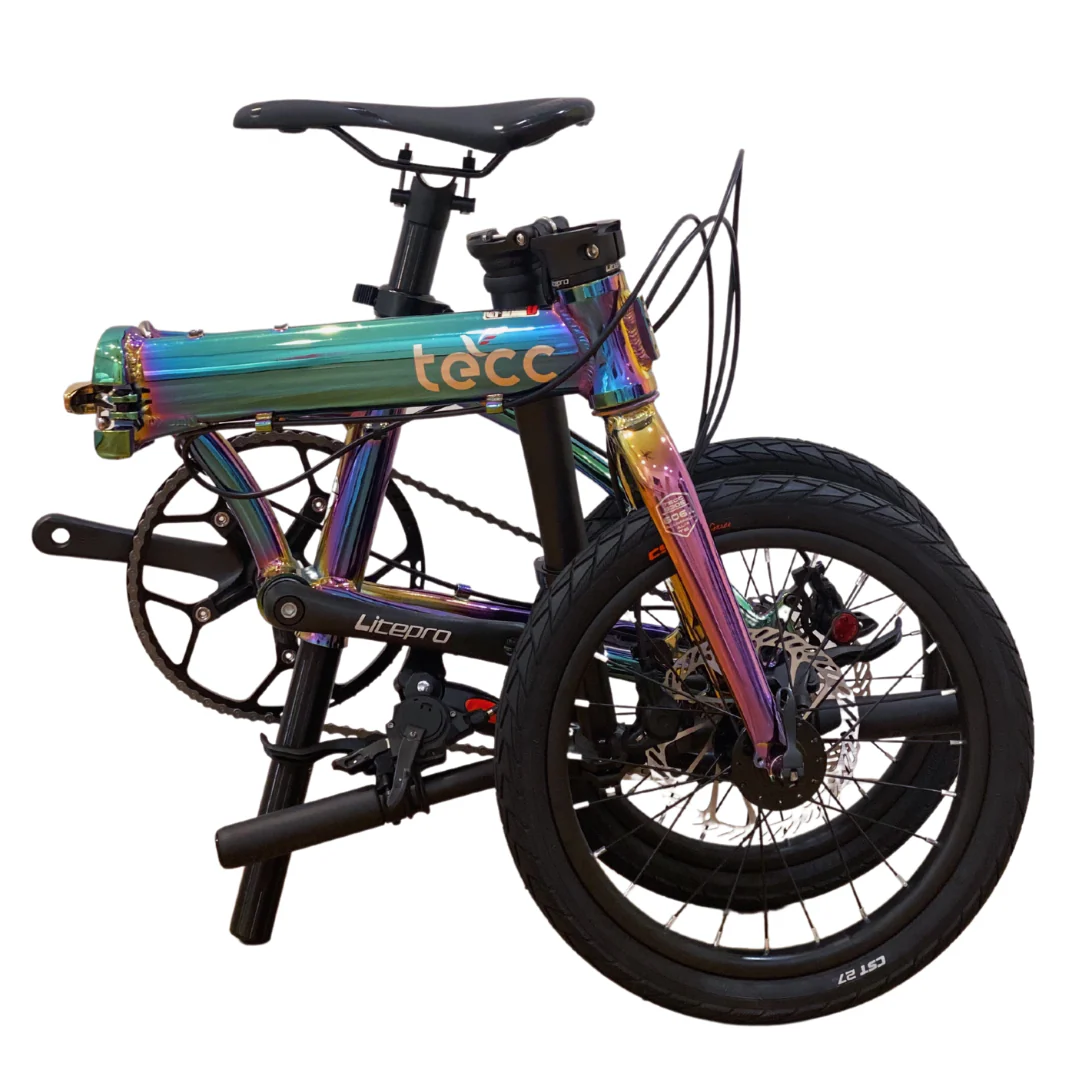
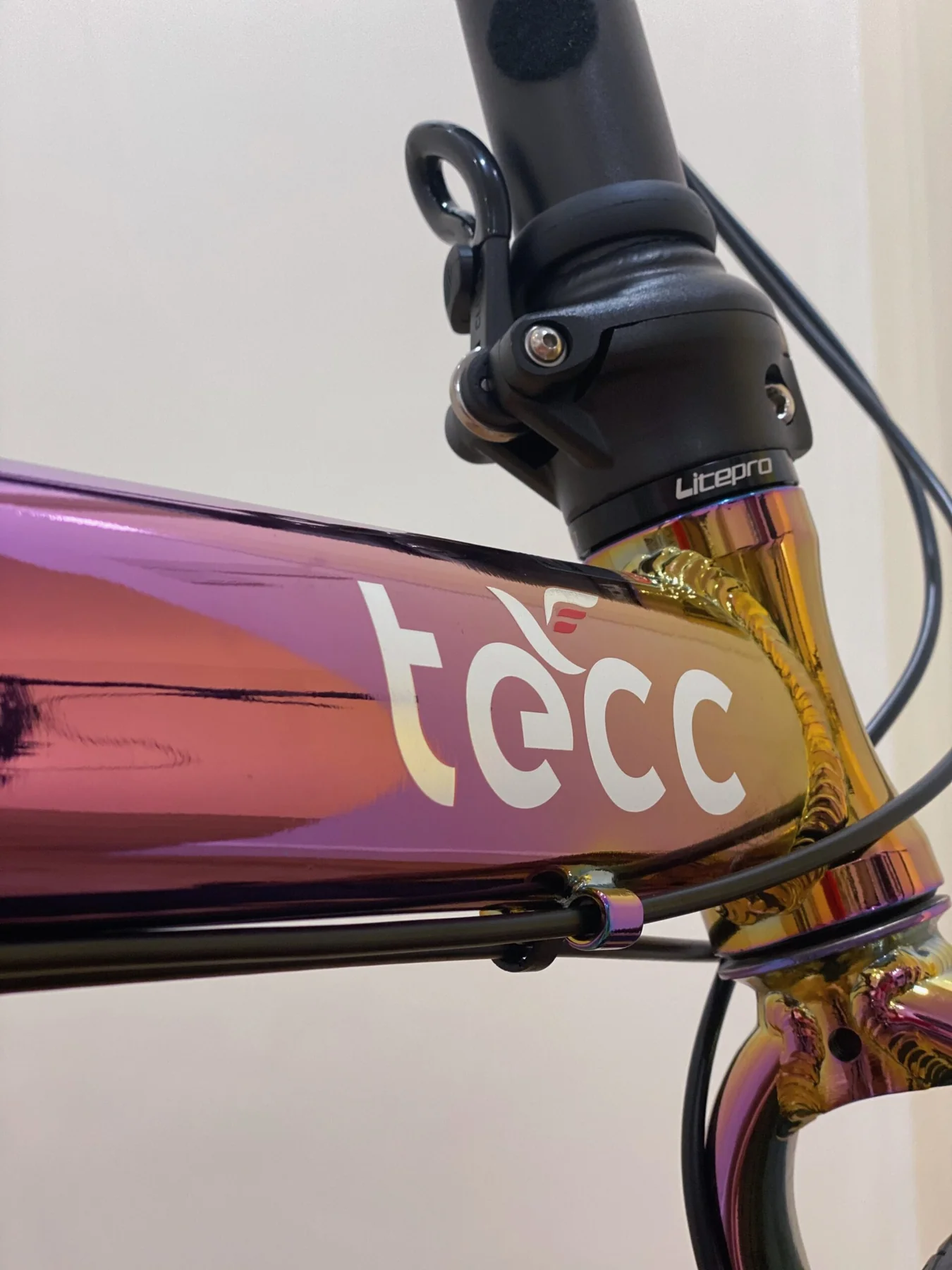
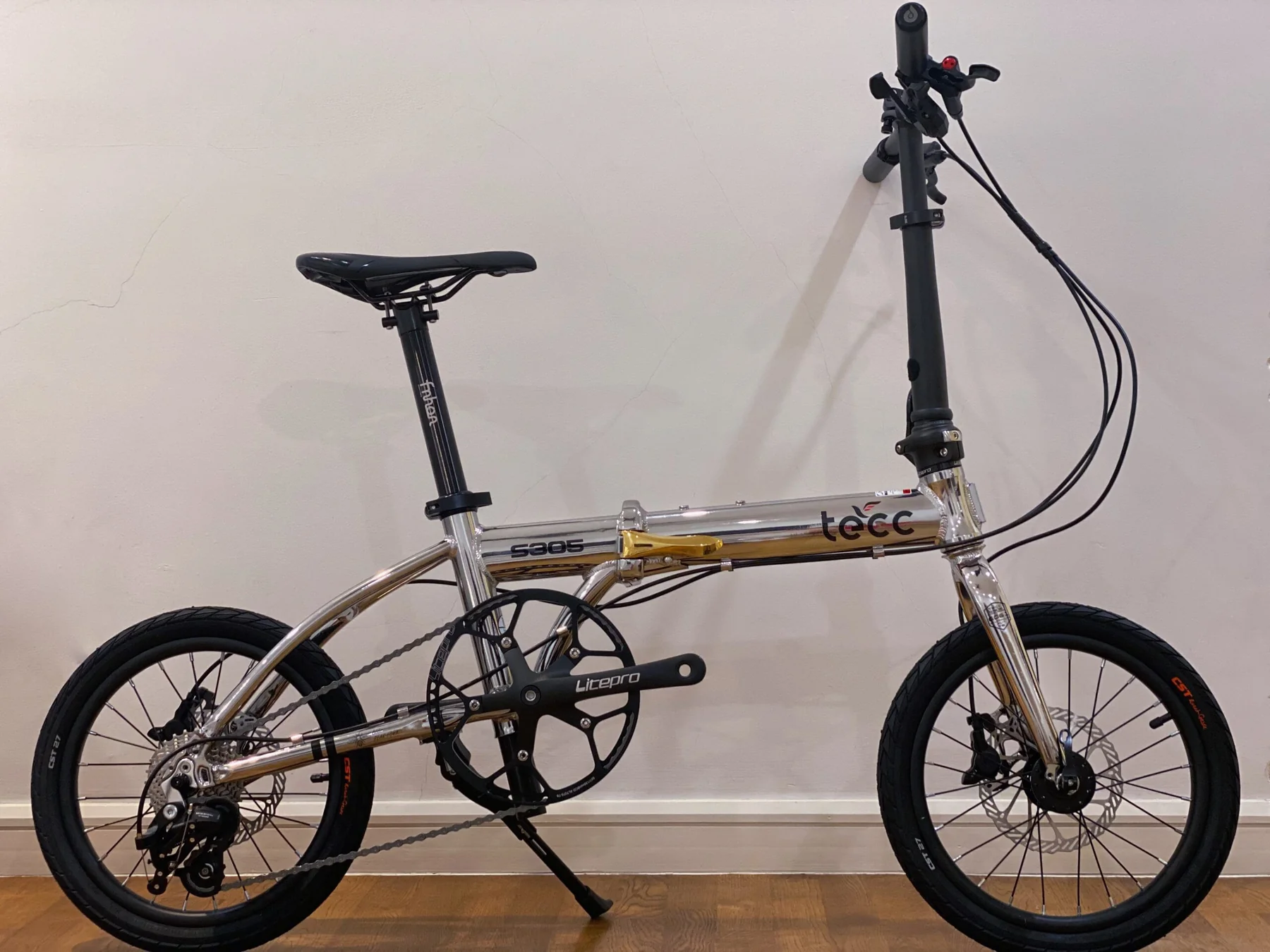
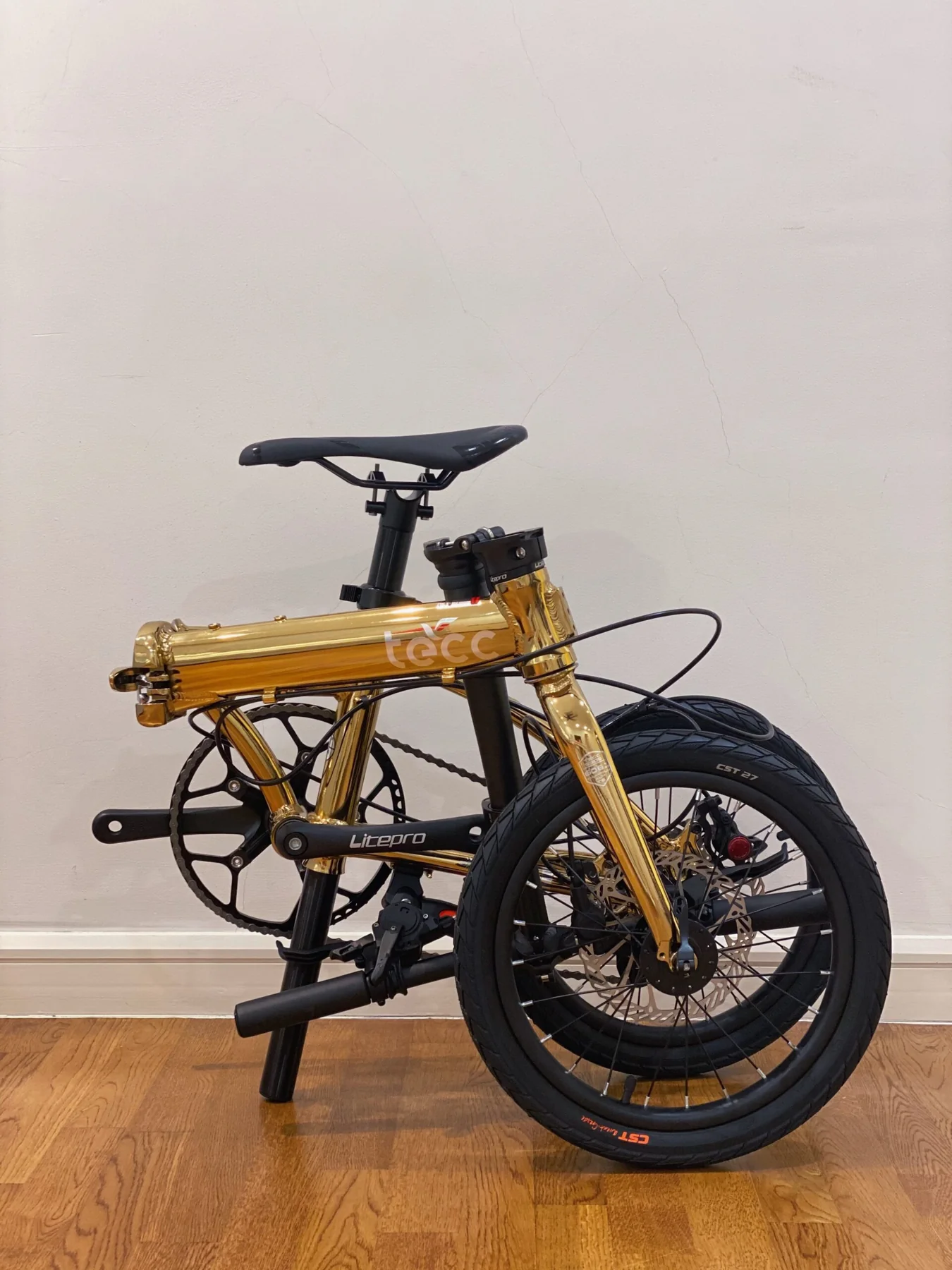
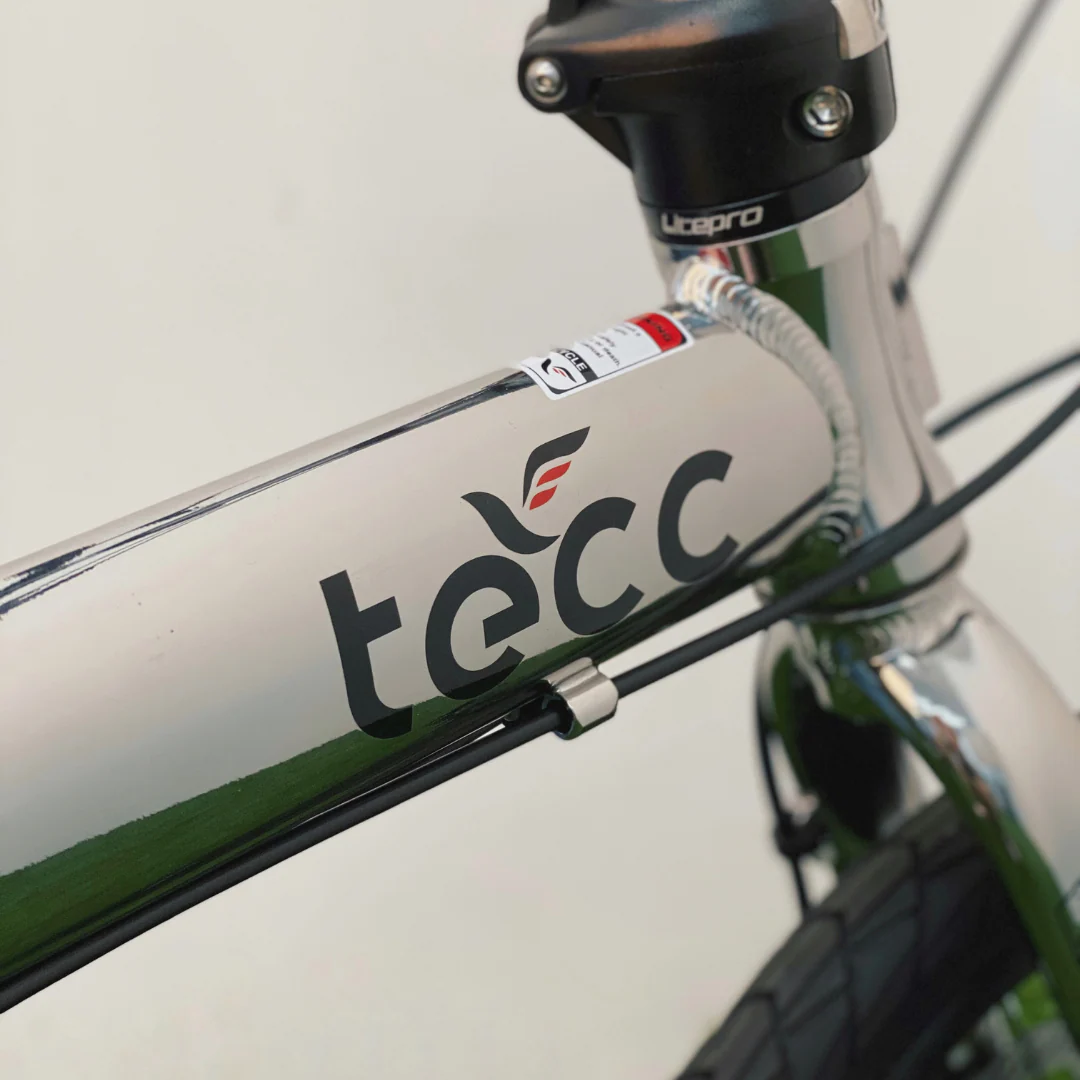
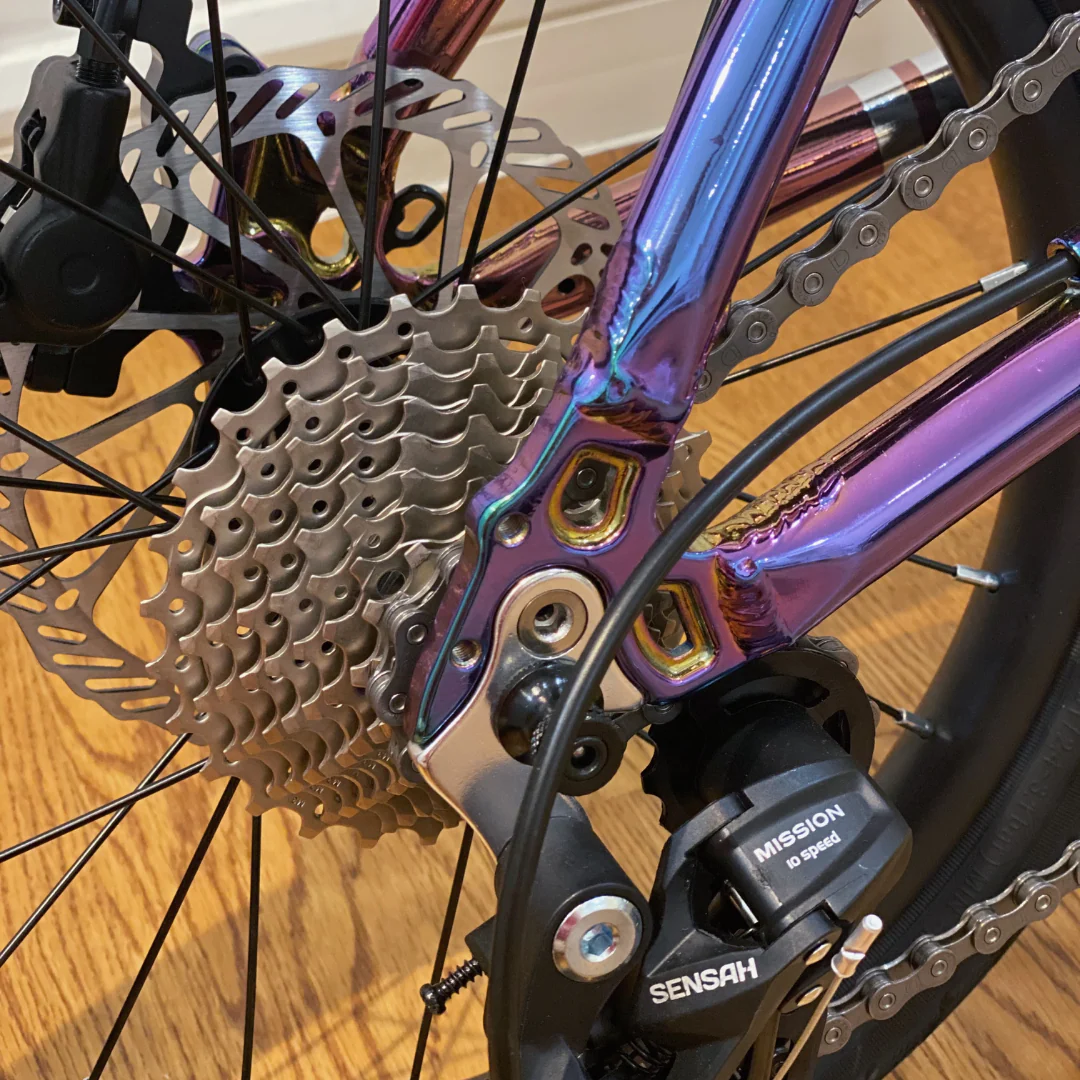
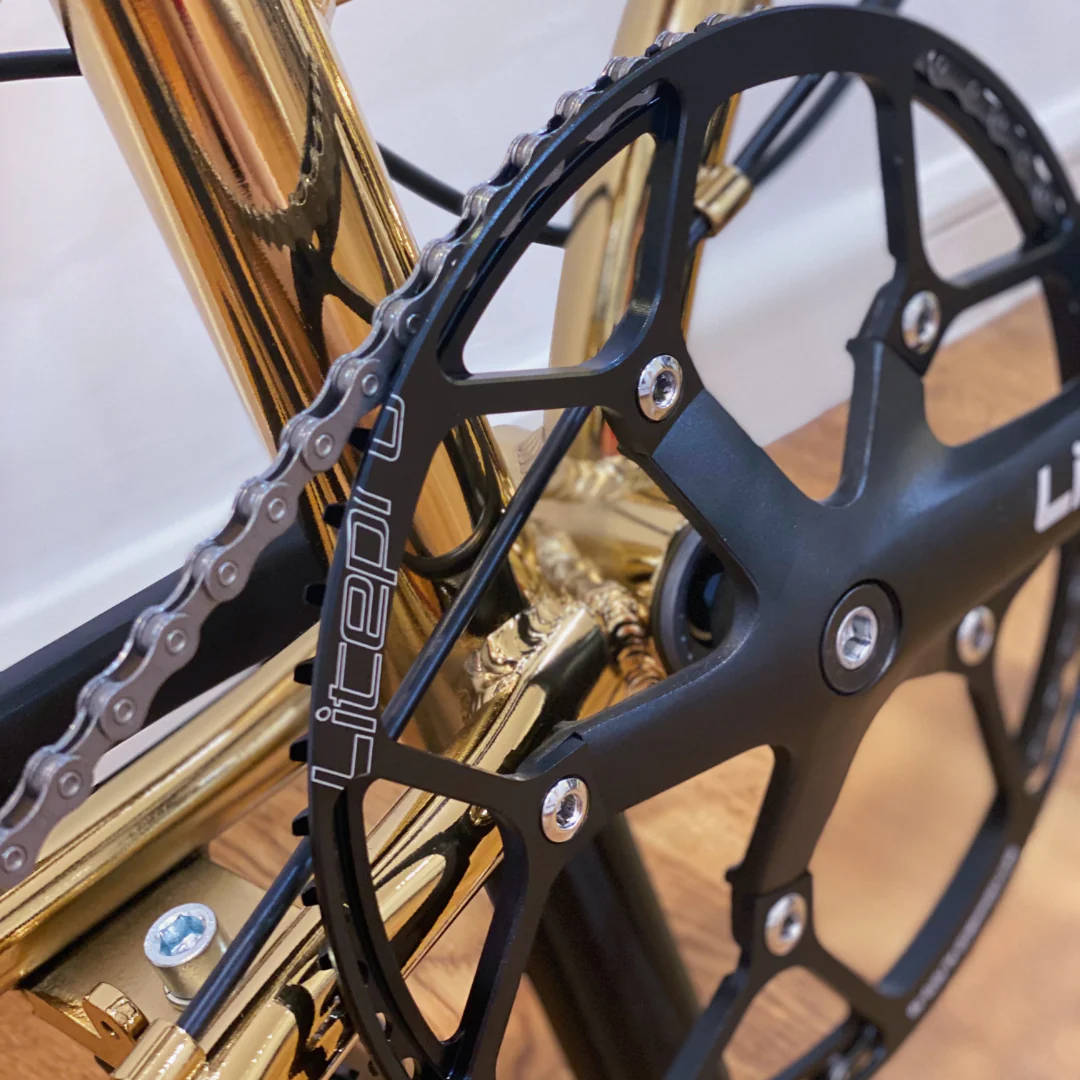

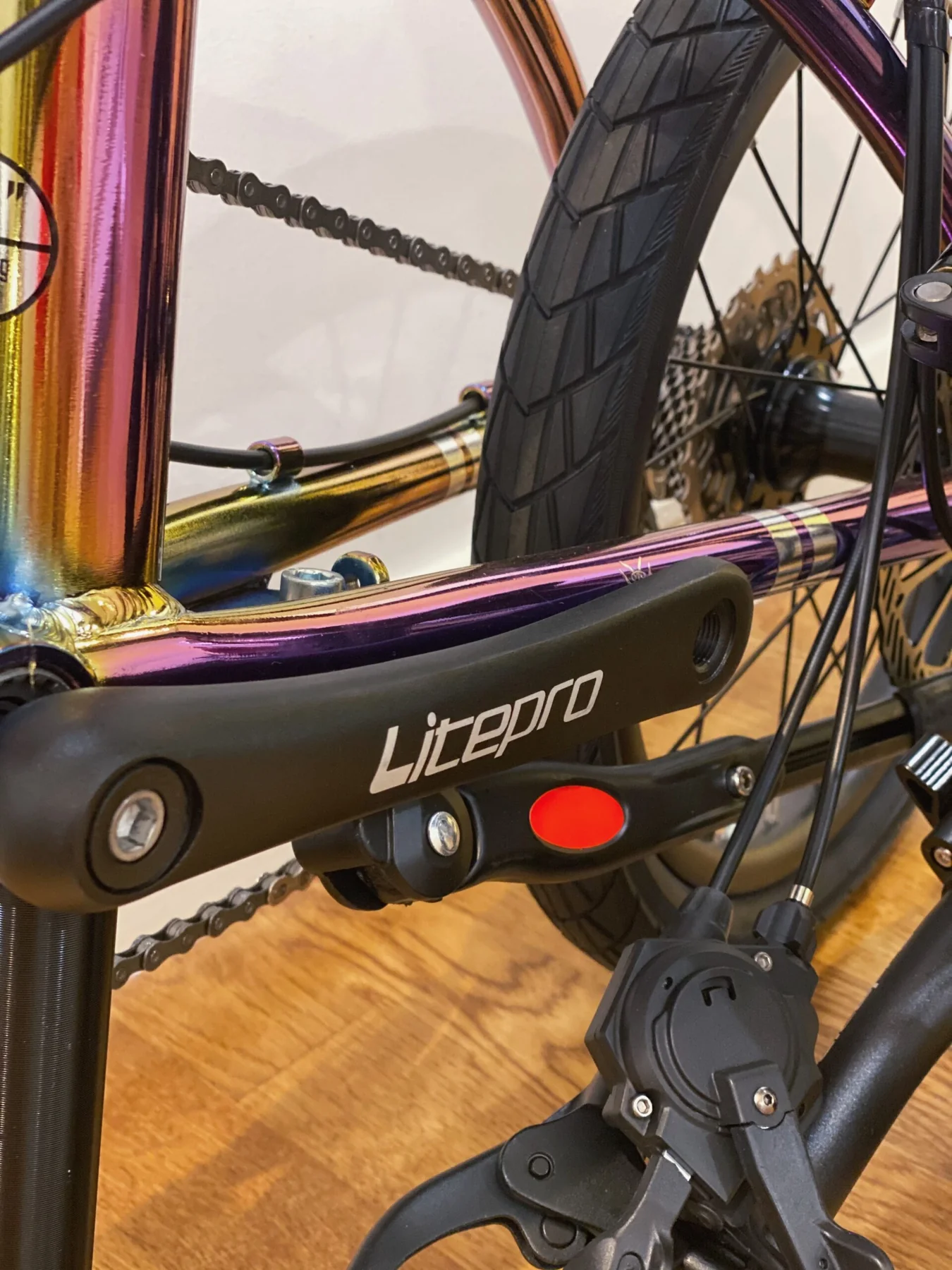
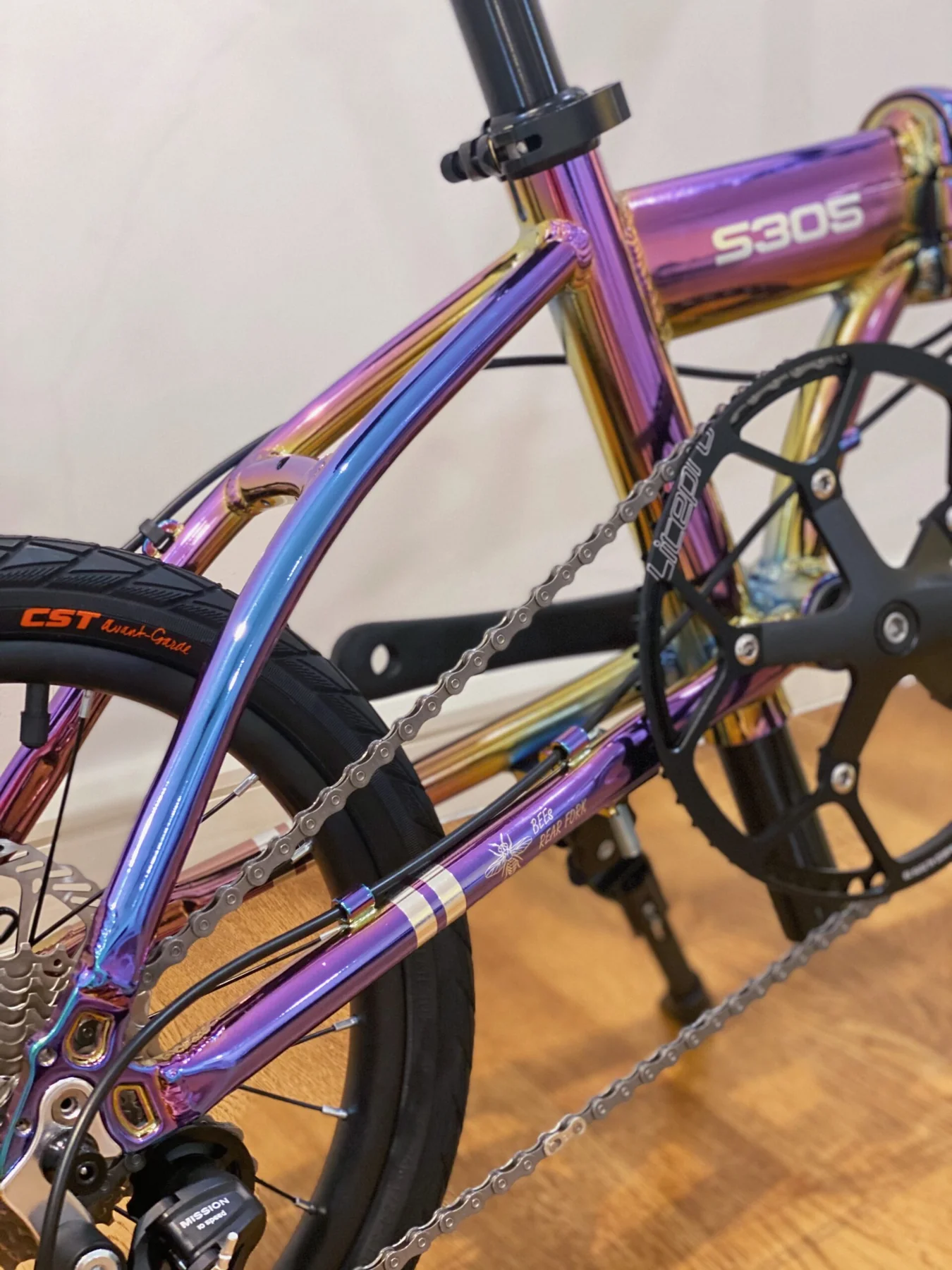




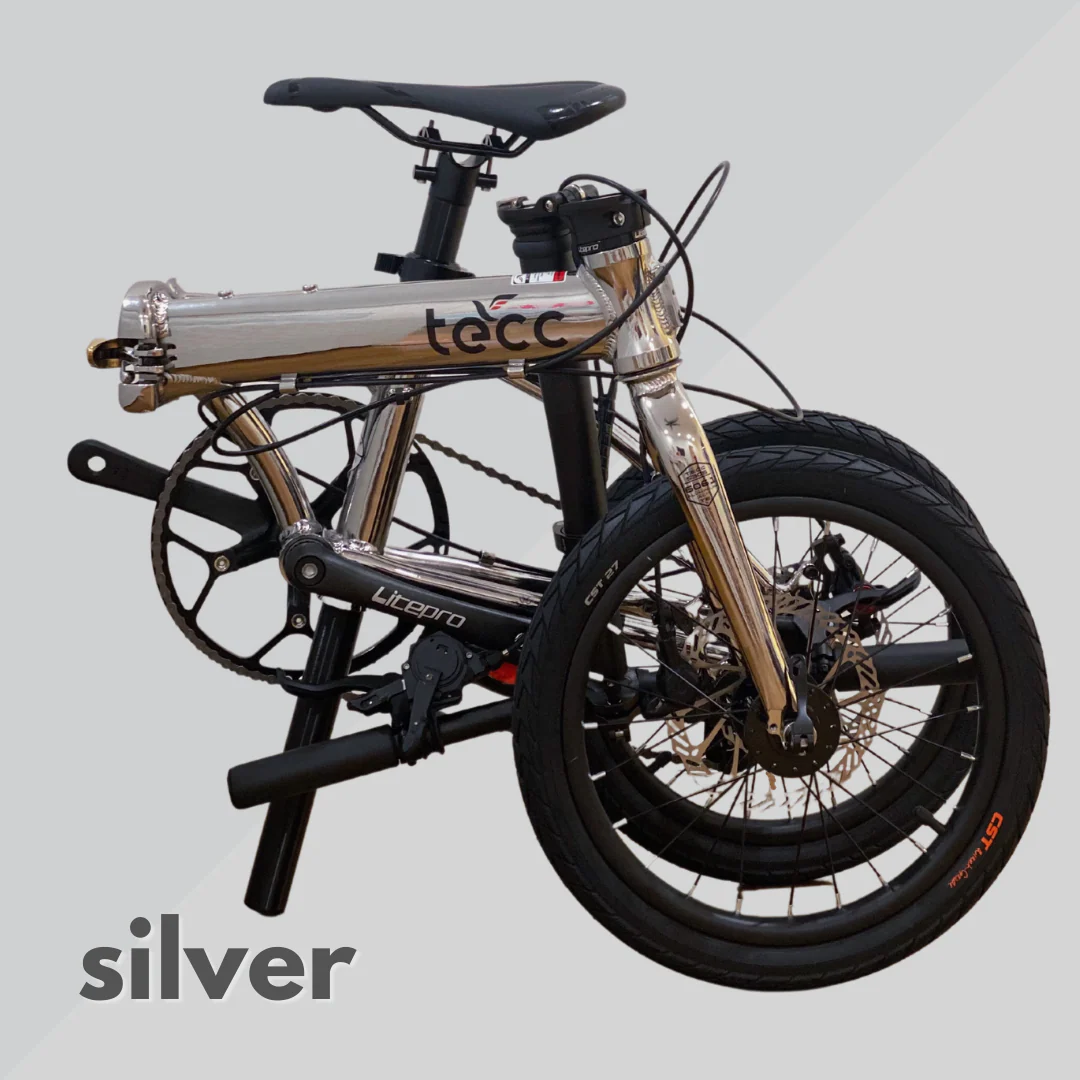

The Tecc Aluminium Folding Bike 16″ is designed for city commuters, students and riders who need a highly portable, easy-to-store bicycle without sacrificing ride quality. With an aluminium alloy frame, compact 16″ wheels, and a versatile multi-speed drivetrain, this bike blends practicality with performance.
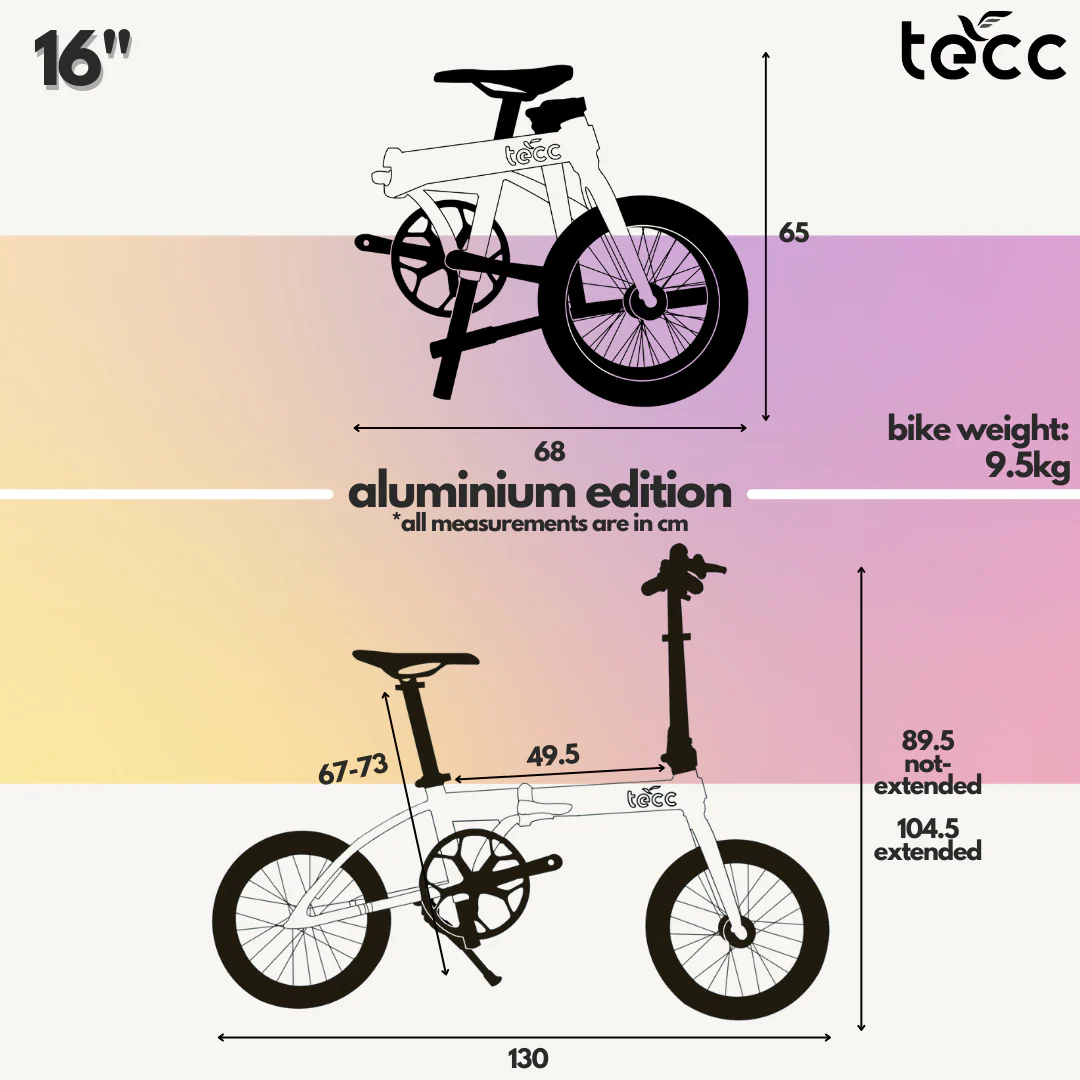
Product Specifications & Dimensions
-
Frame: High-quality aluminium alloy folding frame, corrosion-resistant and lightweight
-
Wheel / Tyres: 16″ wheels, suitable for urban / commuter tyre tread
-
Bike Weight: under 10 kg
-
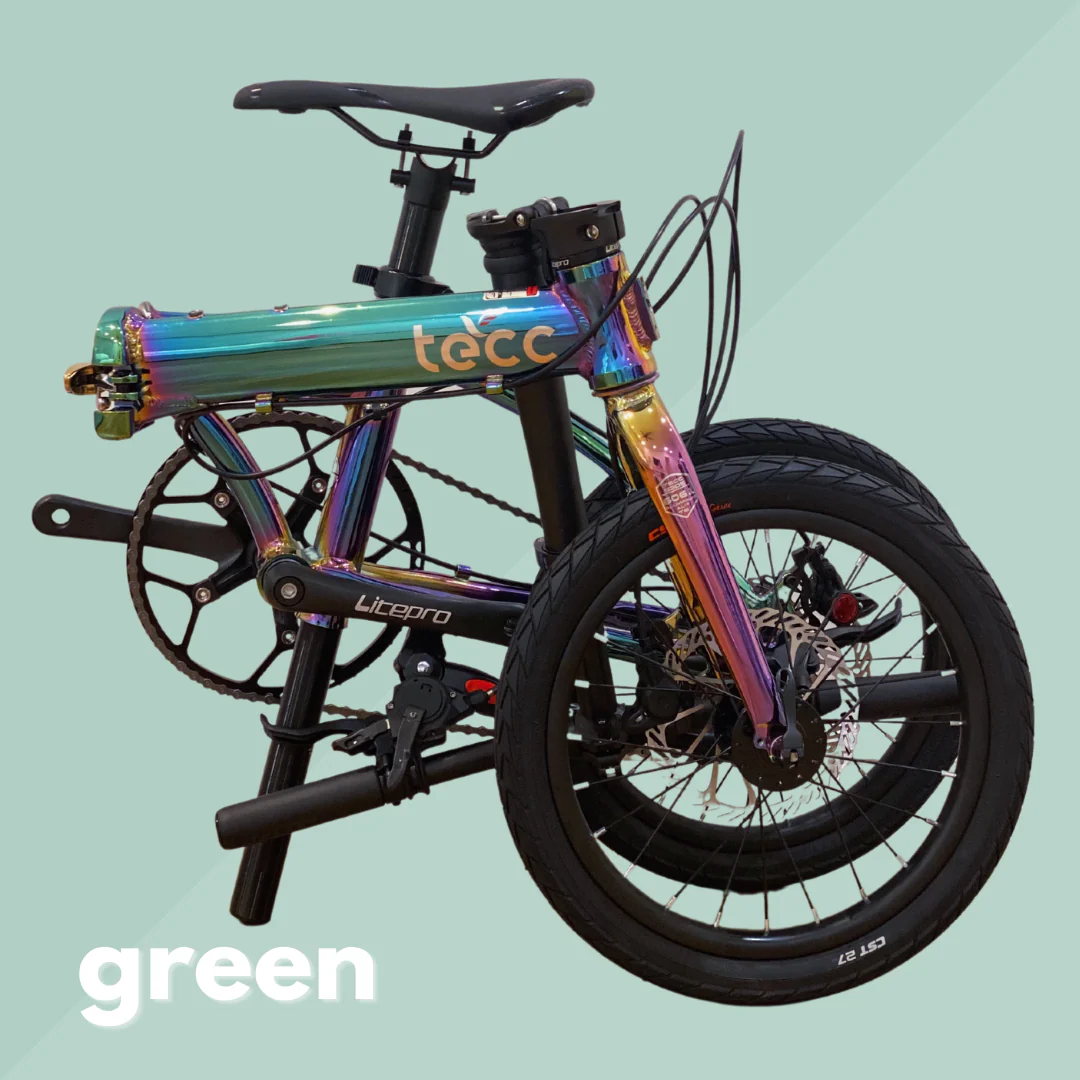
Folding Mechanism: 2-step fold (frame hinge + handlebar hinge) with reinforced locking latches
-
Gearing / Drivetrain: Multi-speed gearing system (exact ratio depends on configuration)
-
Seatpost & Handlebar: Adjustable height to suit riders of different stature
-
Pedals: Foldable / flip-up design included
-
Load Capacity: Supports up to ~ 80 kg rider weight (typical for folding bikes of this class)
-
Assembly: ~95% pre-assembled; only pedals need to be installed by the rider
-
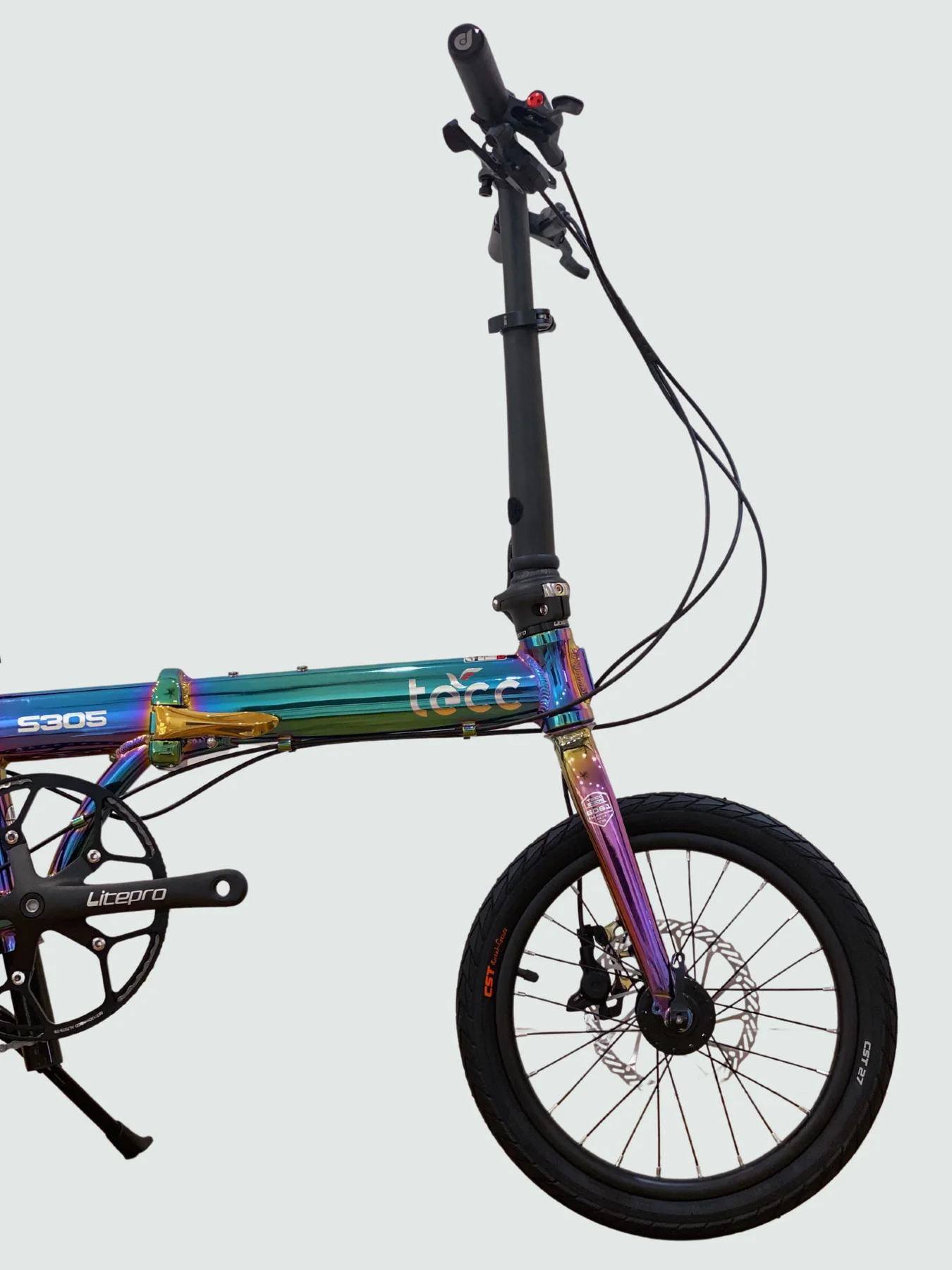
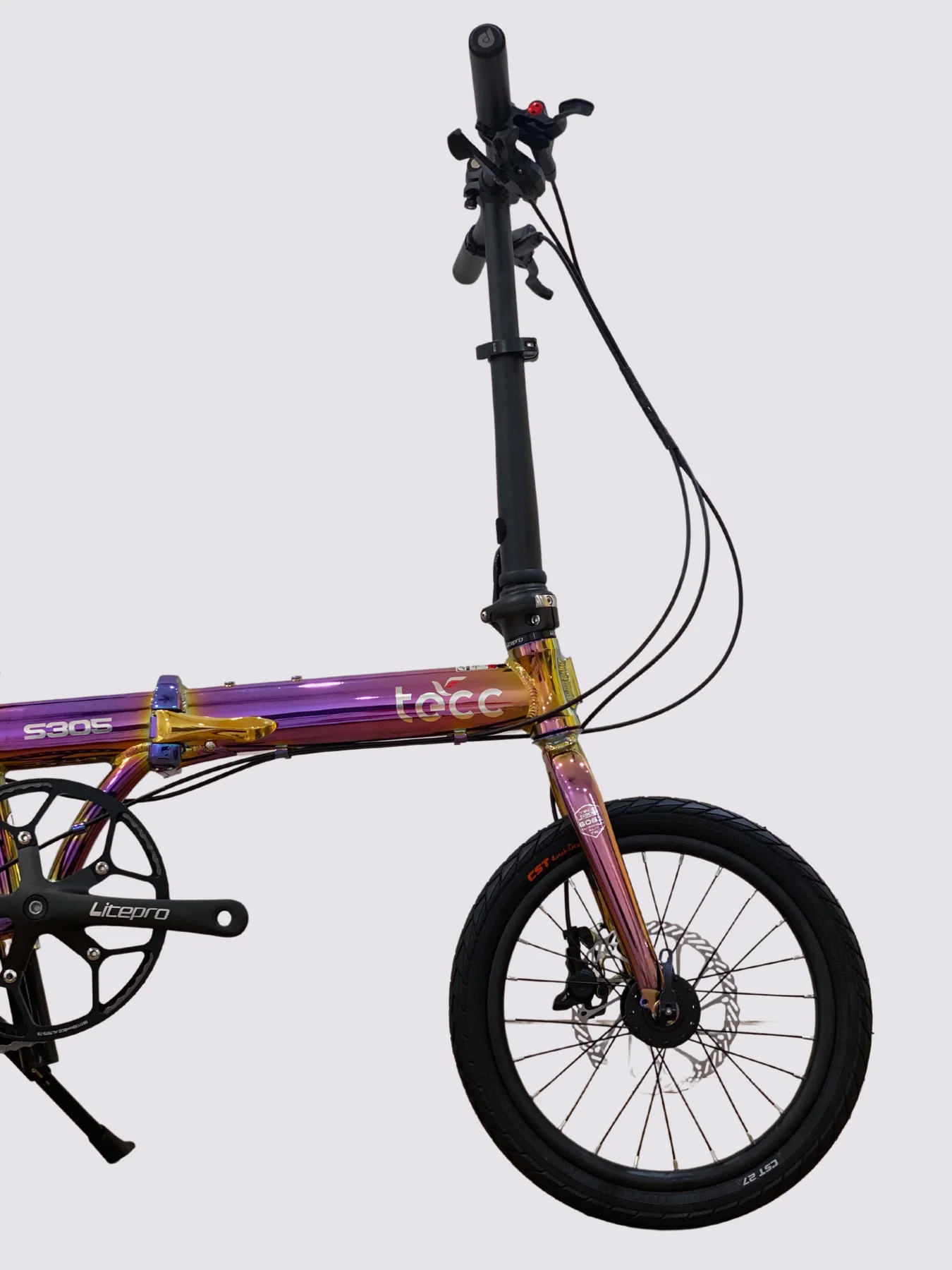
Colours: Various finishes offered (e.g. electric / vibrant colours)
-
Warranty: Frame warranty (usually 2 years) against structural defects, excluding crash damage
Key Features & Advantages
-
Ultra-portable & lightweight: With a sub-10 kg design, the aluminium version is easier to carry upstairs or in public transport compared to steel frames.
-
Compact folding design: The 2-step folding system reduces the bike’s footprint for easier storage in apartments, car boots or trains.
-
Secure locking latches: Reinforced hinge locks reduce the risk of accidental unfolding during rides.
-
Adjustable & versatile fit: Seatpost and handlebars can be quickly adjusted without tools to suit different riders.
-
Ready to ride: With 95 % pre-assembly, you only need to bolt on the pedals and make light adjustments to begin riding.
-
Durable aluminium build: The aluminium frame is corrosion-resistant and demands lower maintenance compared to some steel frames.
Usage Instructions & Setup Tips
-
Inspect on arrival: Check the frame, hinge mechanisms, wheels, cables and components for any shipping damage.
-
Install pedals: The pedal marked “L” is reverse-threaded (turn anti-clockwise to tighten), while the “R” pedal is standard (turn clockwise).
-
Adjust seat & handlebar: Raise or lower to a comfortable height for your riding position, ensuring that you do not exceed the maximum insertion mark on the seatpost.
-
Lock folding hinges properly: Before riding, verify both the frame and handlebar hinge locks are fully engaged. They should feel firm and not rattle.
-
Brake and gear check: Ride slowly and shift across all gears to confirm the drivetrain is tuned correctly, and test brakes to ensure responsive stopping.
-
Practice folding/unfolding: In a safe area, practice unlocking and locking the hinges until the motions become smooth and instinctive.
-
Pre-ride checklist: Before each ride, check hinge locks, bolts, tyre pressure, and ensure nothing is loose or rubbing.
-
Cleaning & lubrication: Use mild soap and water for washing. Avoid using high-pressure water near hinge areas or bearings. Lubricate the chain, derailleur pivots and hinge joints periodically (e.g. every 200–300 km or after wet rides).
-
Storage: When folded, store the bike indoors or under shelter. Avoid exposure to direct sunlight or heavy rain to preserve paint, hinges and parts.
Precautions & Safety Notes
-
Always confirm that both folding hinges are fully locked before riding — partial locking can lead to unintended folding mid-ride.
-
Do not exceed the recommended rider load (~ 80 kg) — overloading stresses frame, joints and hinges.
-
Avoid sharp impacts with curbs or potholes — repeated shock may compromise hinge mechanisms or welds.
-
Inspect hinges, welds and joints periodically for cracks, fatigue or deformation. If any damage is found, stop using immediately and consult a service professional.
-
Do not overtighten bolts beyond manufacturer torque ratings—especially around hinge latches—to prevent thread damage or distortion.
-
Use compatible tyres, tubes, brake pads, cables and spare parts that match the bike’s specifications. Mismatches may impair performance or safety.
-
After a serious crash or impact, even if no visible damage appears, carefully inspect hinges, frame, joints and components before riding again.