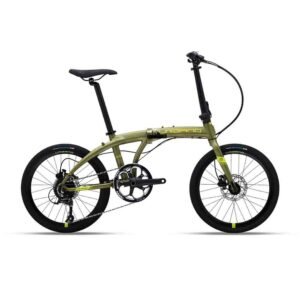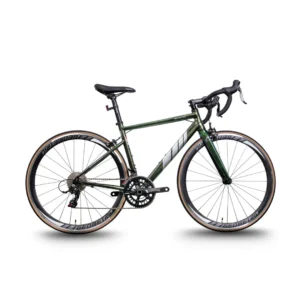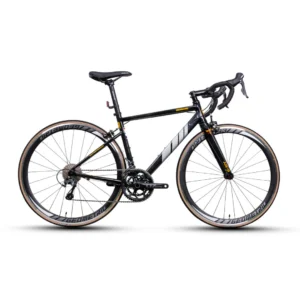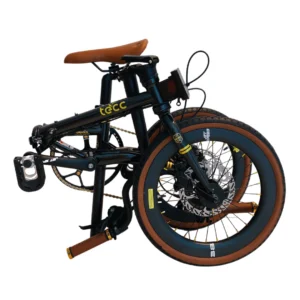
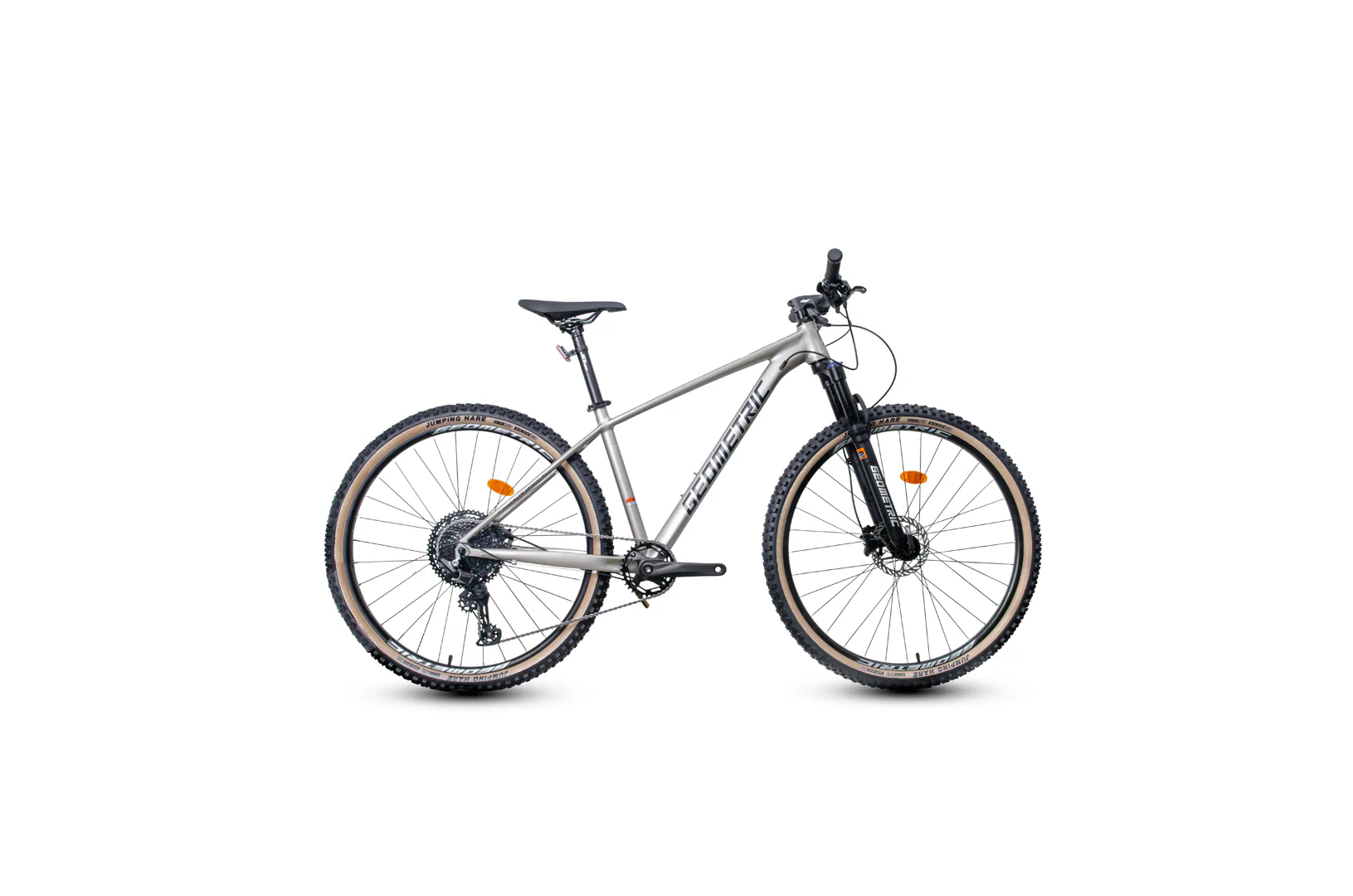
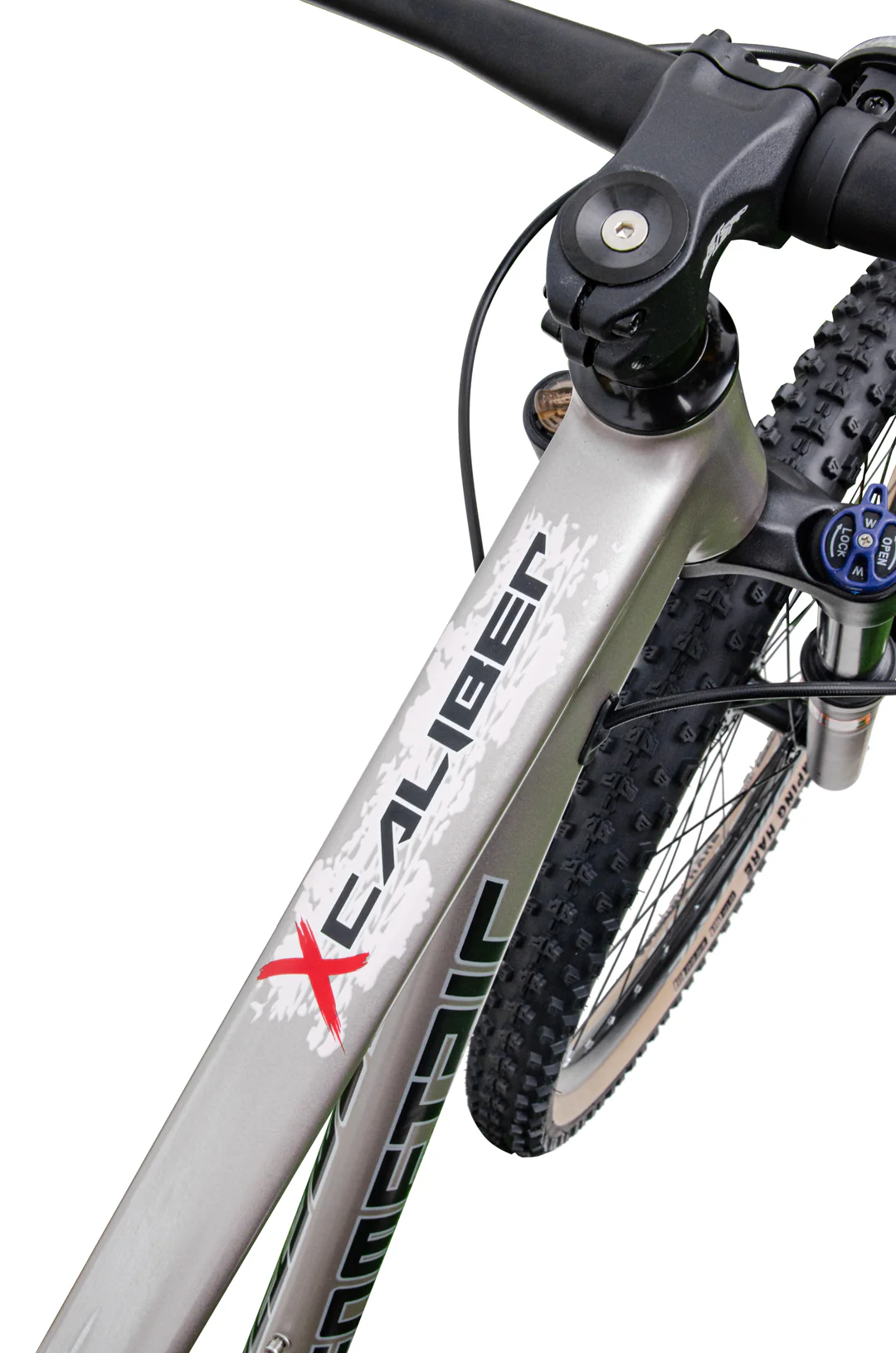
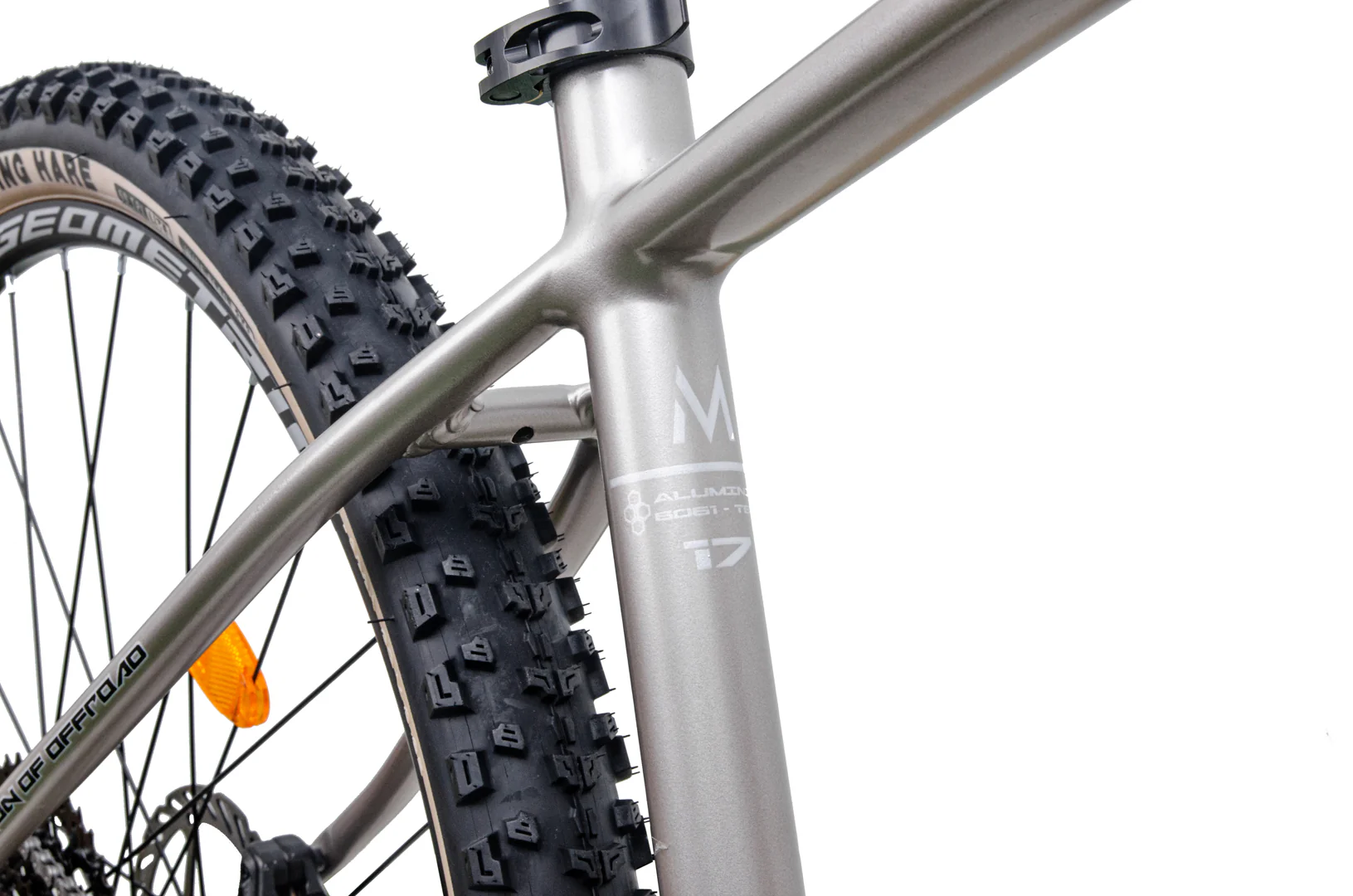
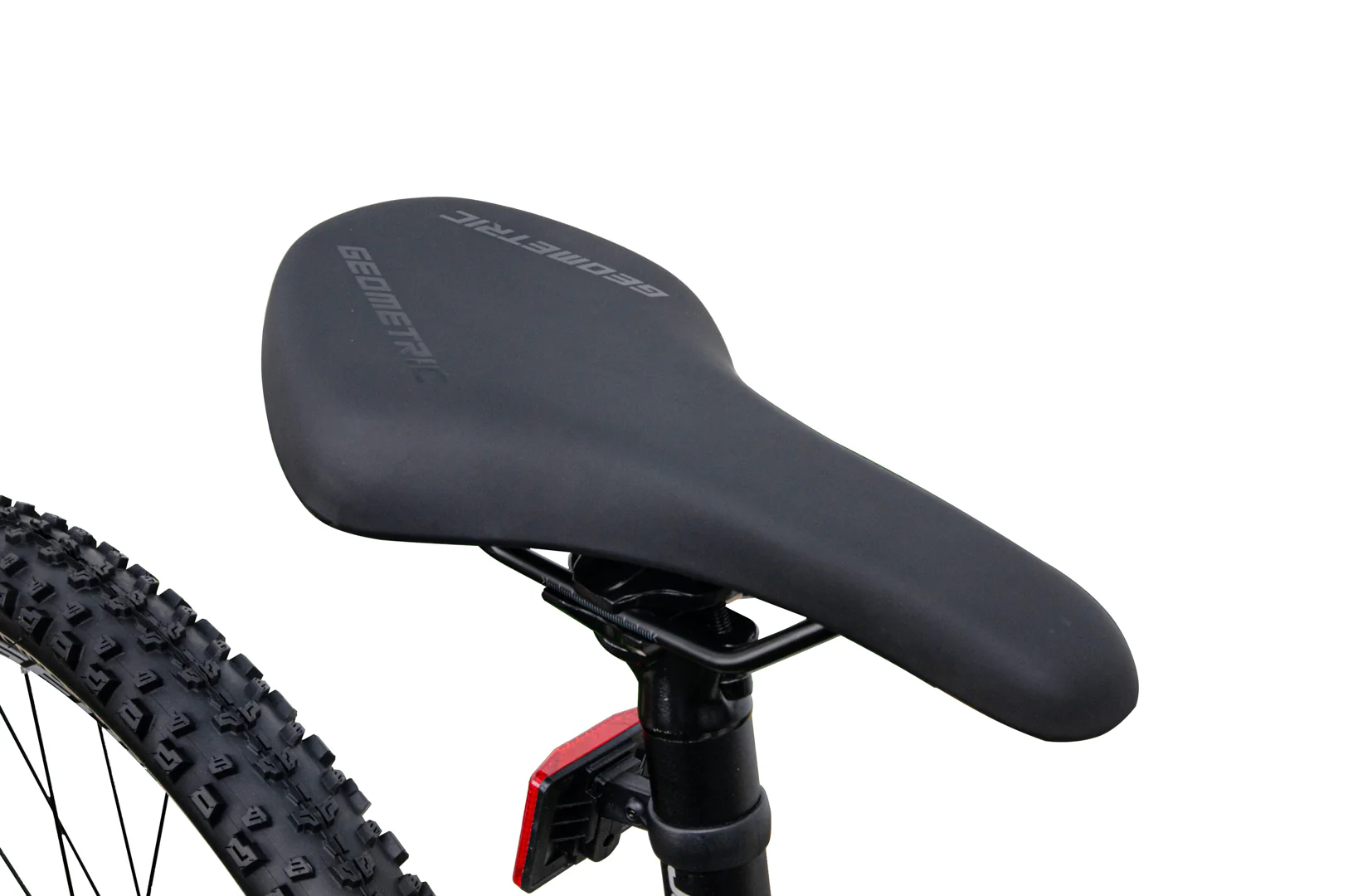
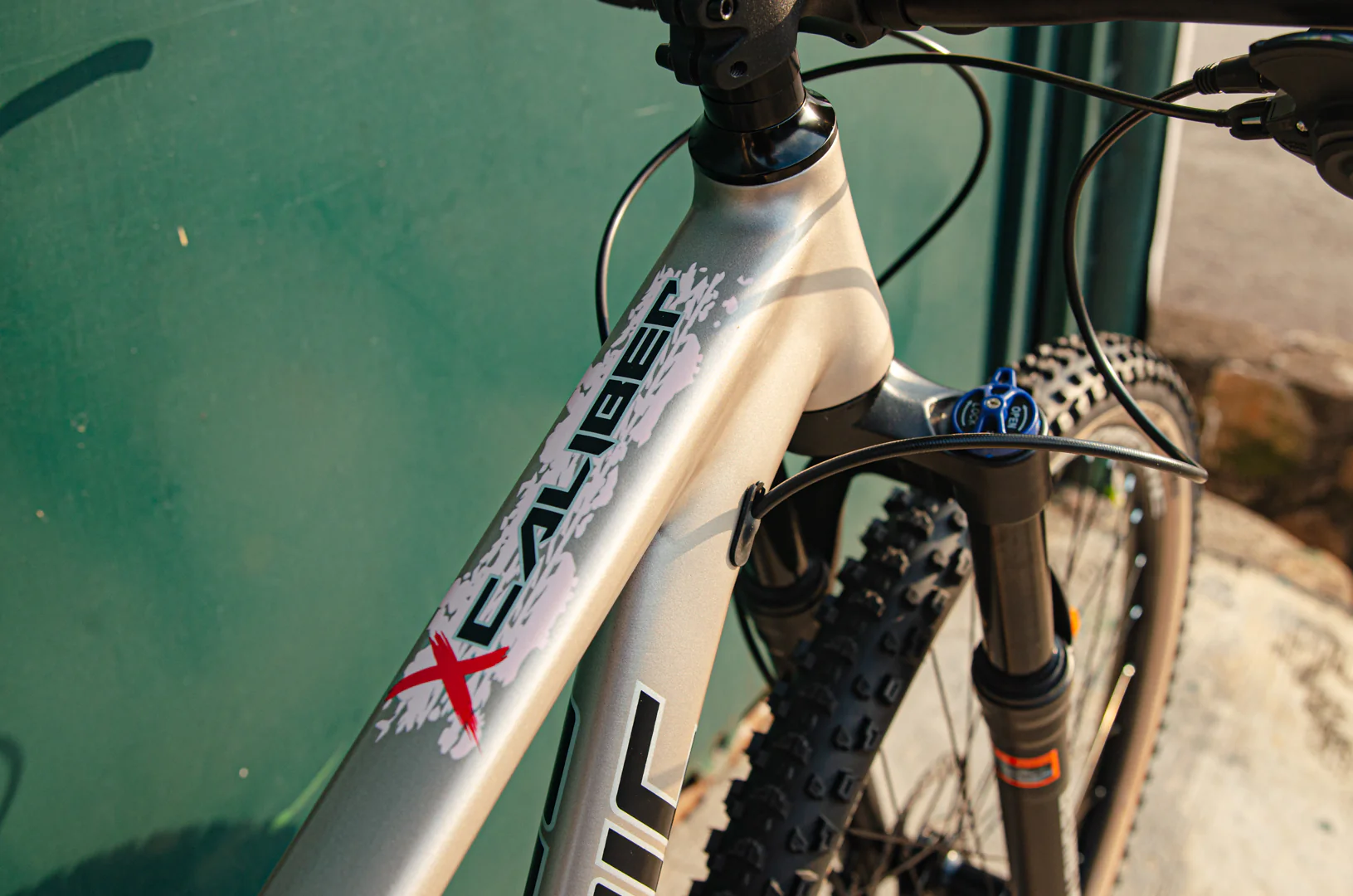
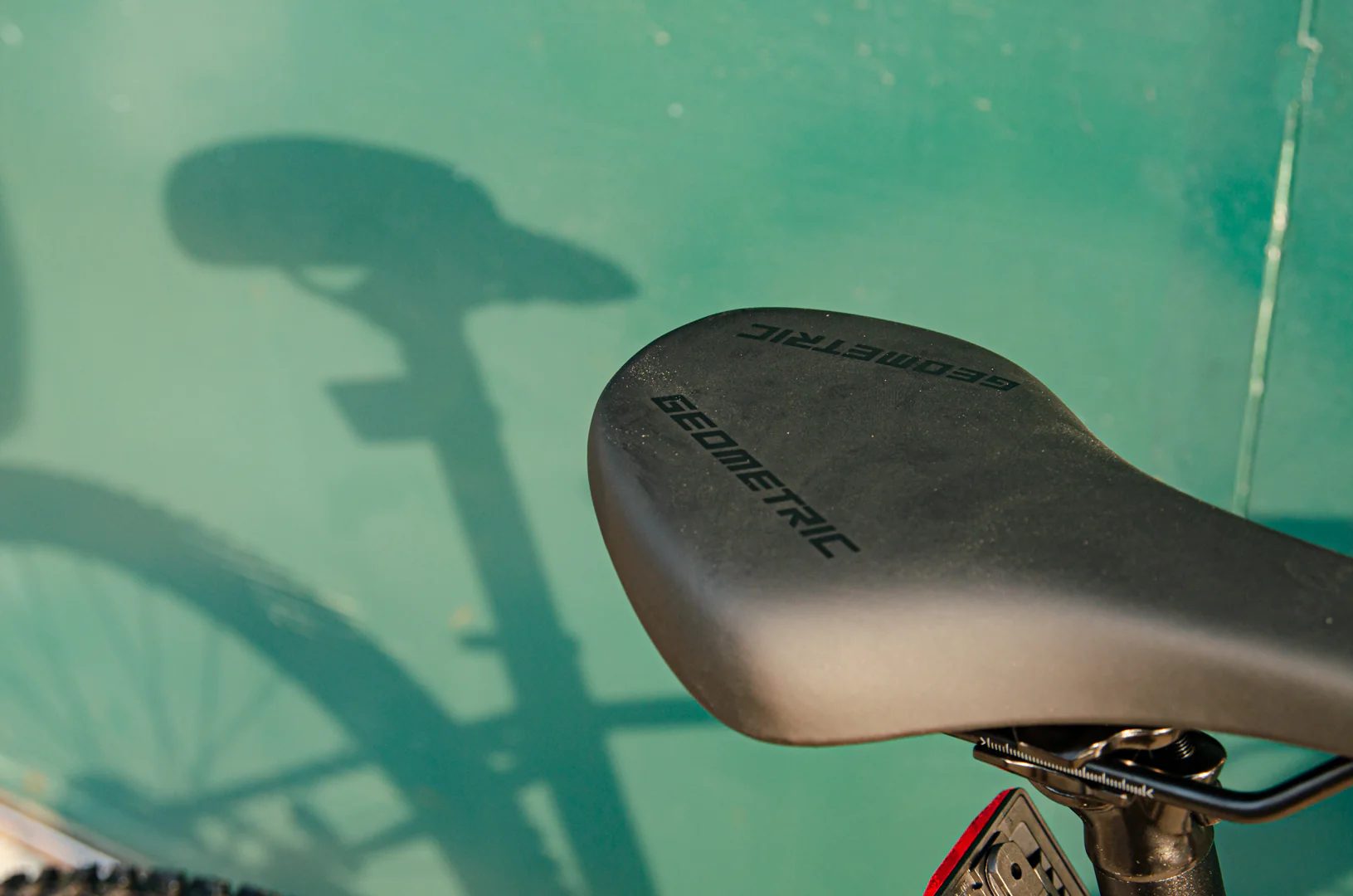
The Geometric X Caliber 29 Deore 12S is a robust mountain bike engineered to handle a wide variety of terrain, from cross-country trails to forest tracks. Built with a tough yet lightweight alloy frame and equipped with a modern 12-speed Shimano Deore drivetrain, this model offers excellent durability, control, and versatility for both beginner and intermediate riders.
Product Specifications & Dimensions
-
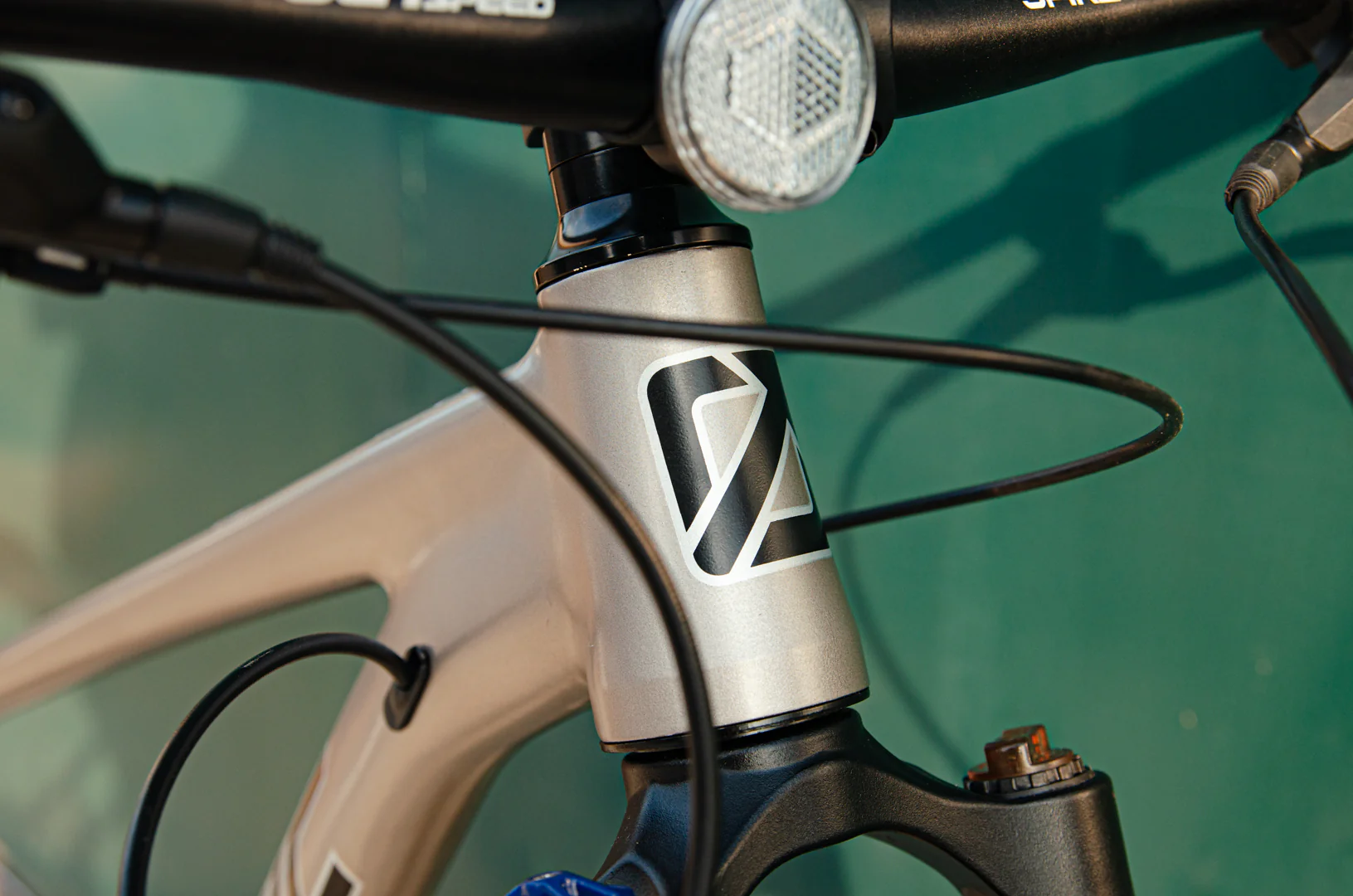
Frame: 6061-T6 aluminium alloy, hydroformed tubes, internal cable routing
-
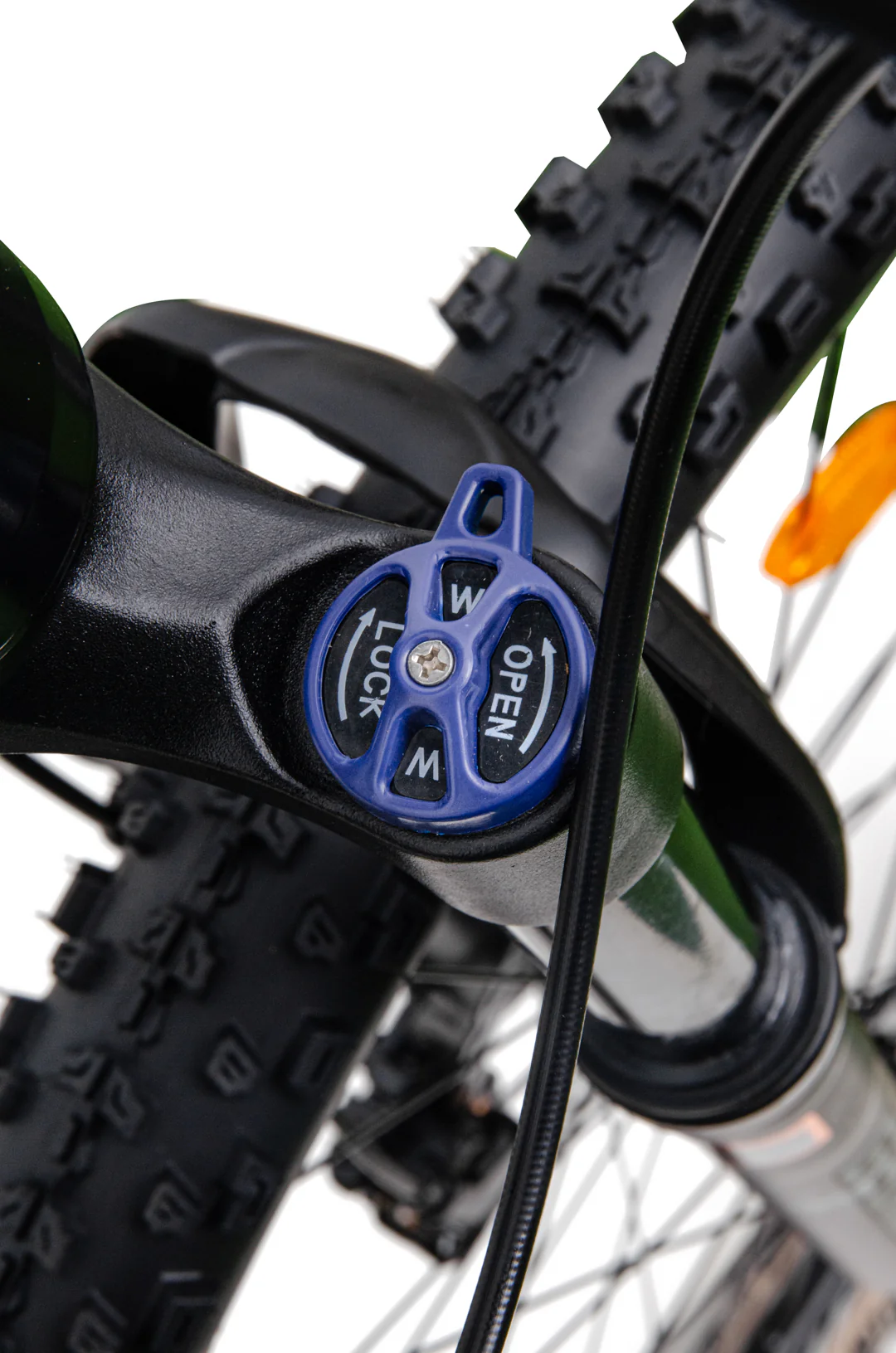
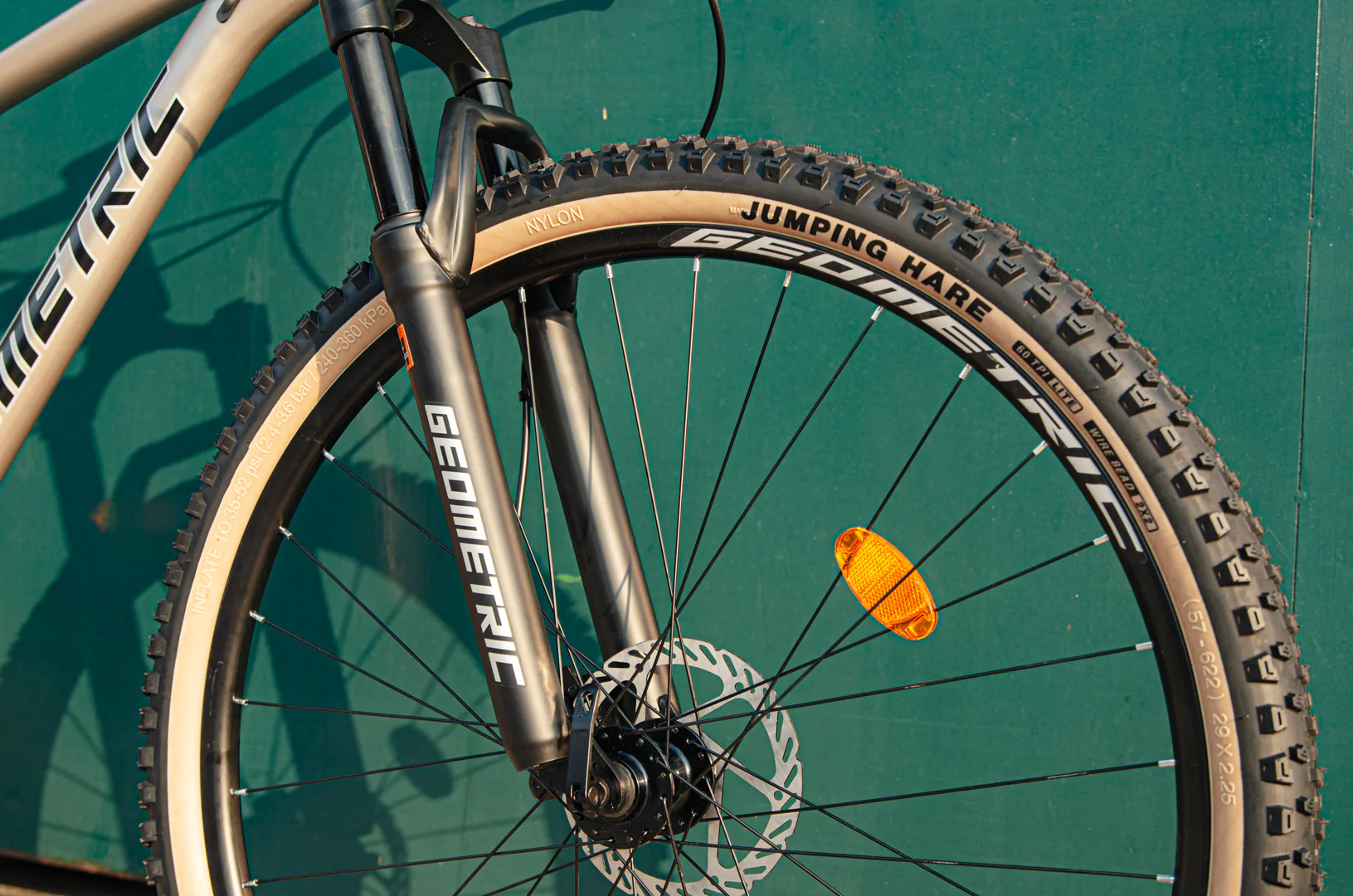
Fork: Lockout suspension fork with ~100 mm travel (hydraulic damping)
-
Wheel Size: 29″ (700C equivalent for MTB) rims
-
Tyres: 29×2.25″ or 29×2.35″ (depending on configuration)
-
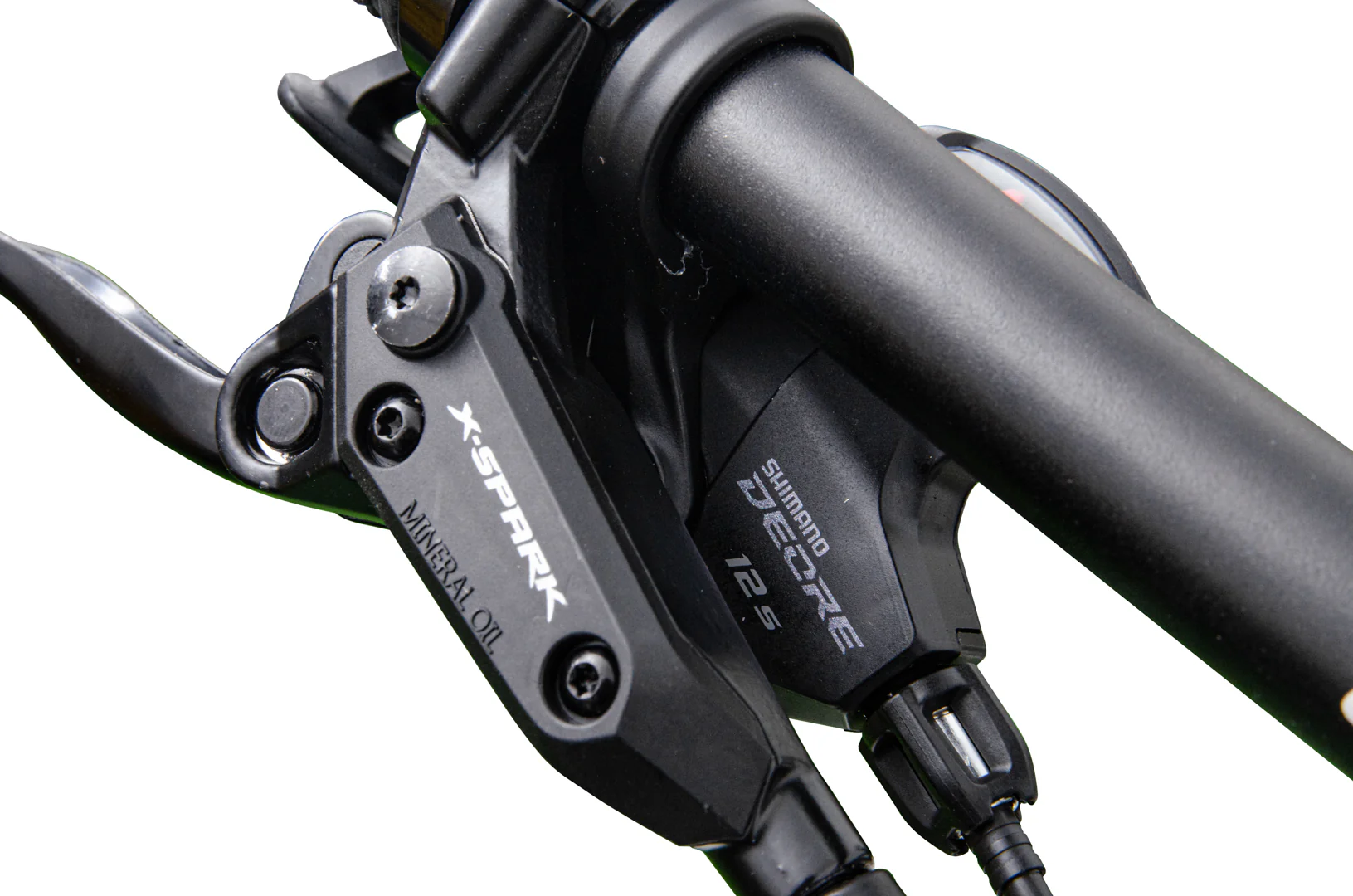
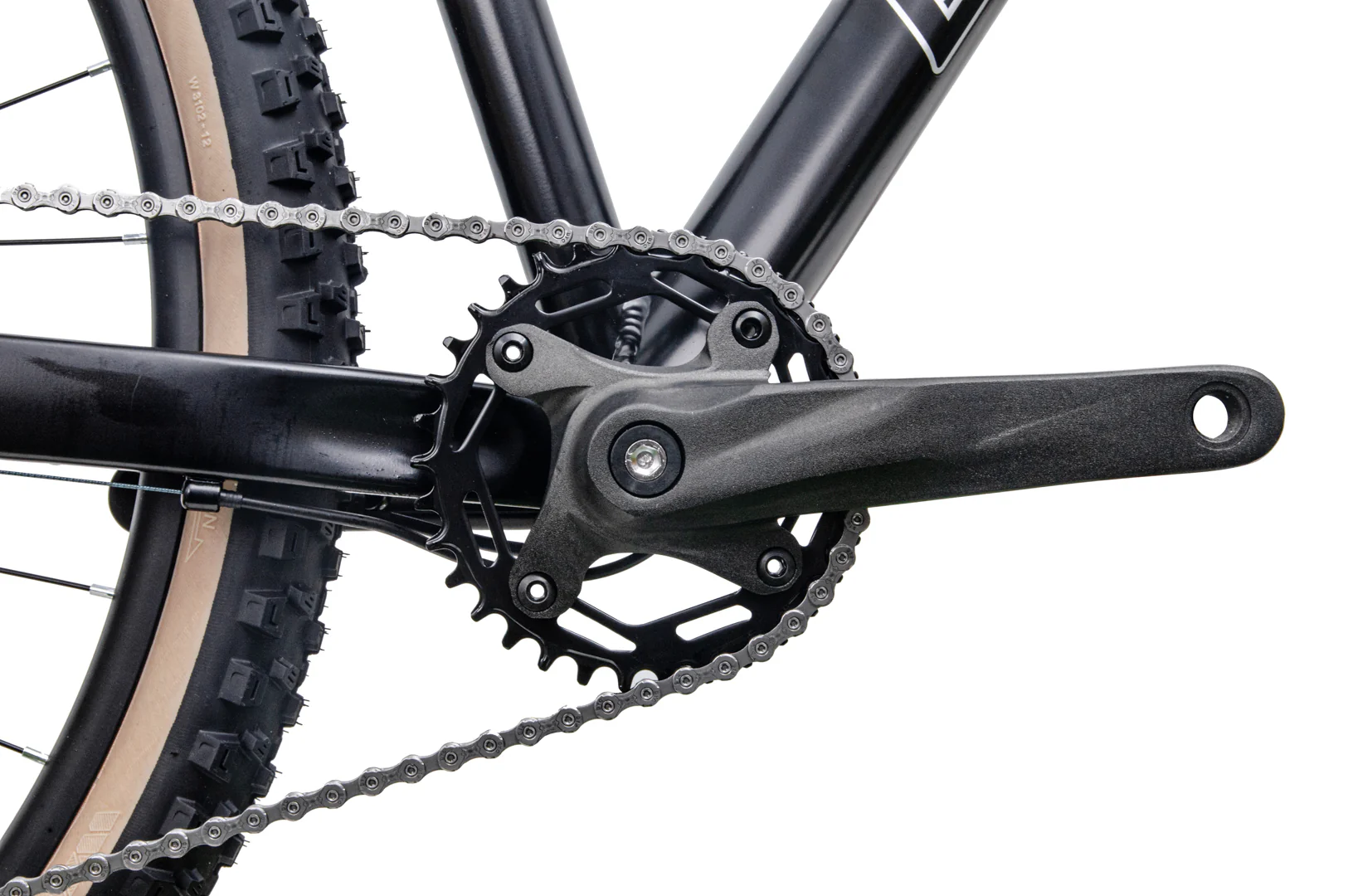
Drivetrain: Shimano Deore 12-speed (rear derailleur, shifter, cassette)
-
Crankset: Single chainring (1×12 system), typically 32T (may vary)
-
Cassette Range: ~10–51T (or equivalent 12-speed wide range)
-
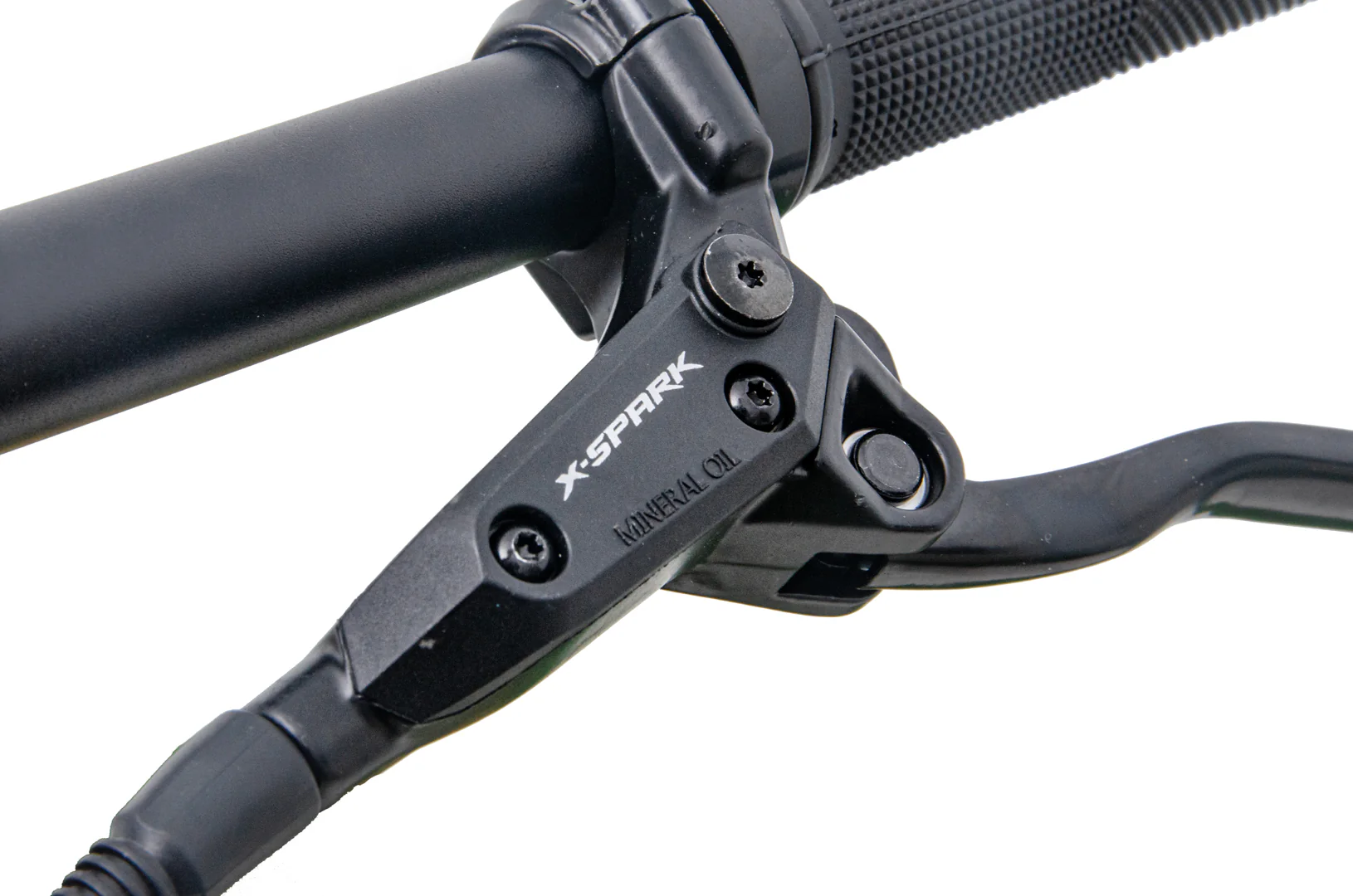
Brakes: Hydraulic disc brakes front and rear
-
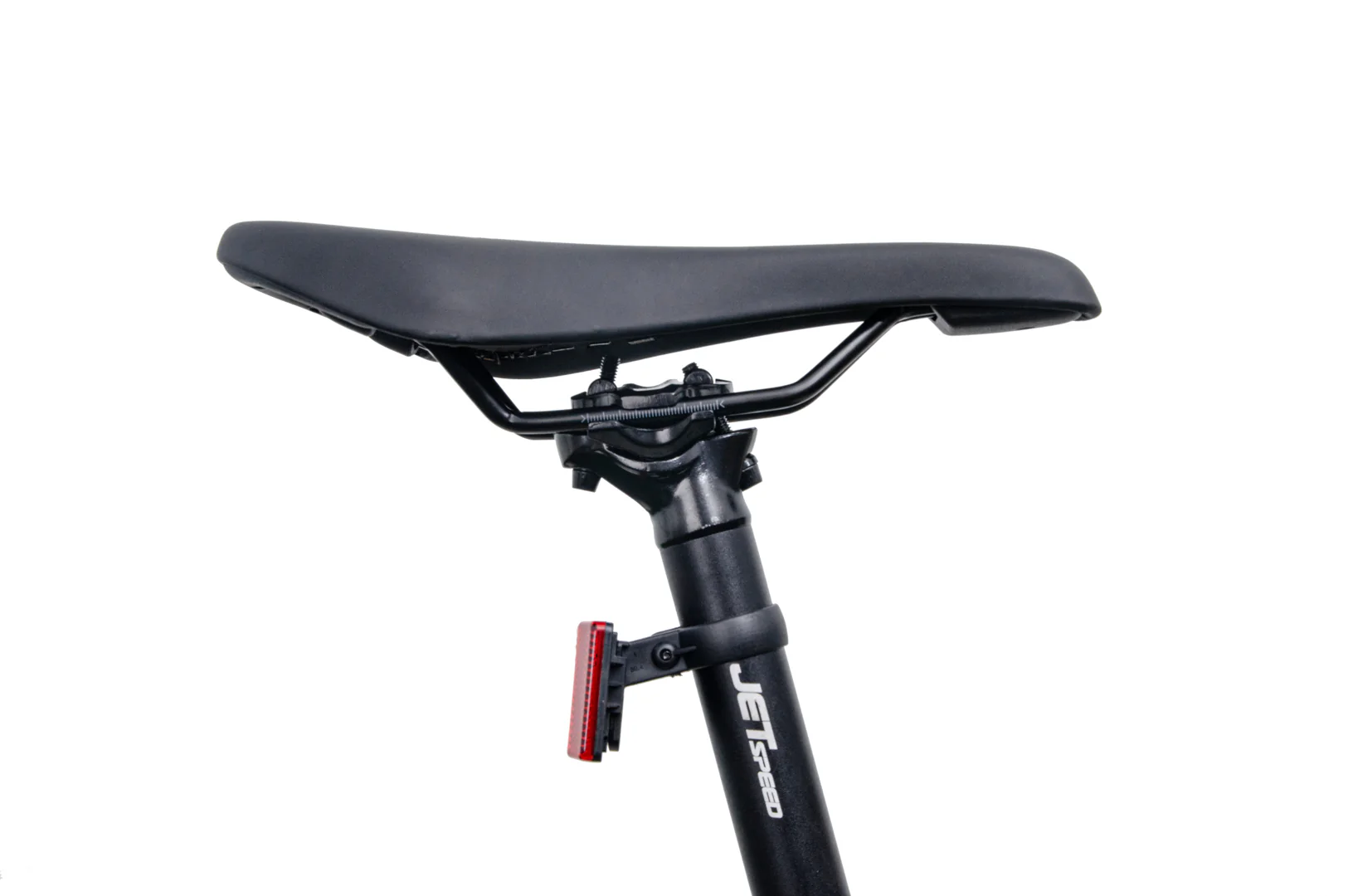
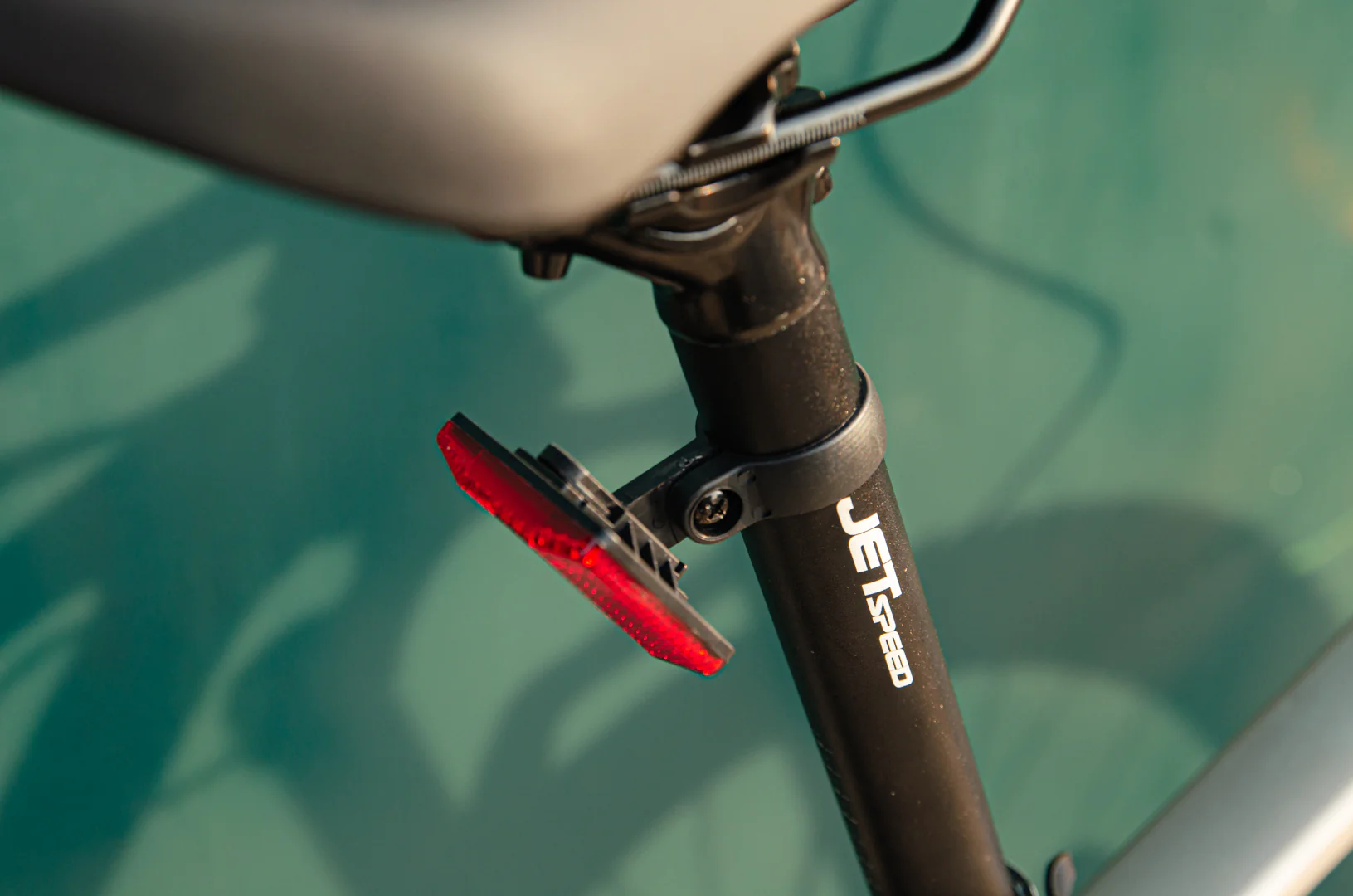
Seatpost: Alloy, diameter 30.9 mm (common for MTB), approximate length ~350 mm
-
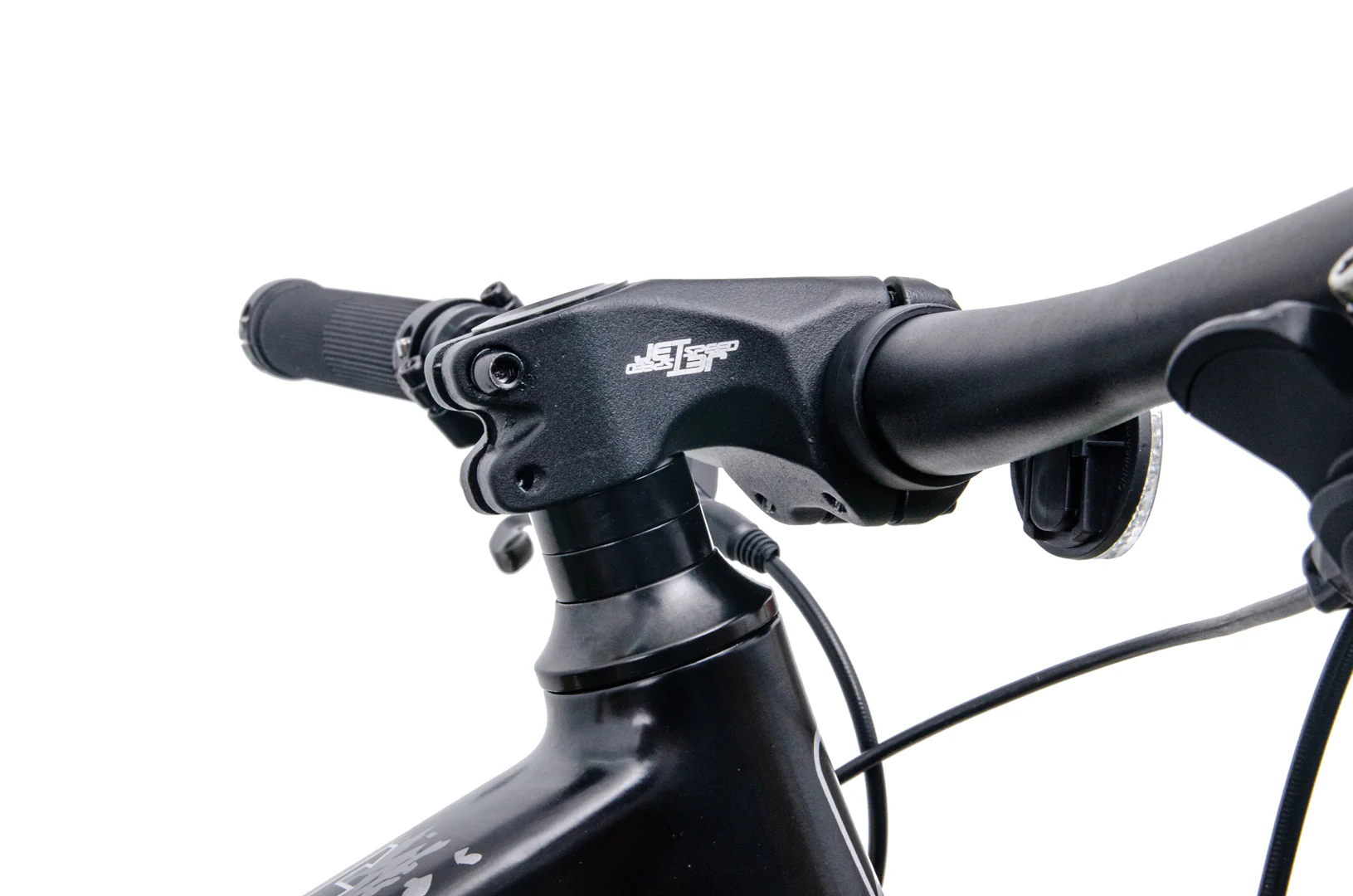
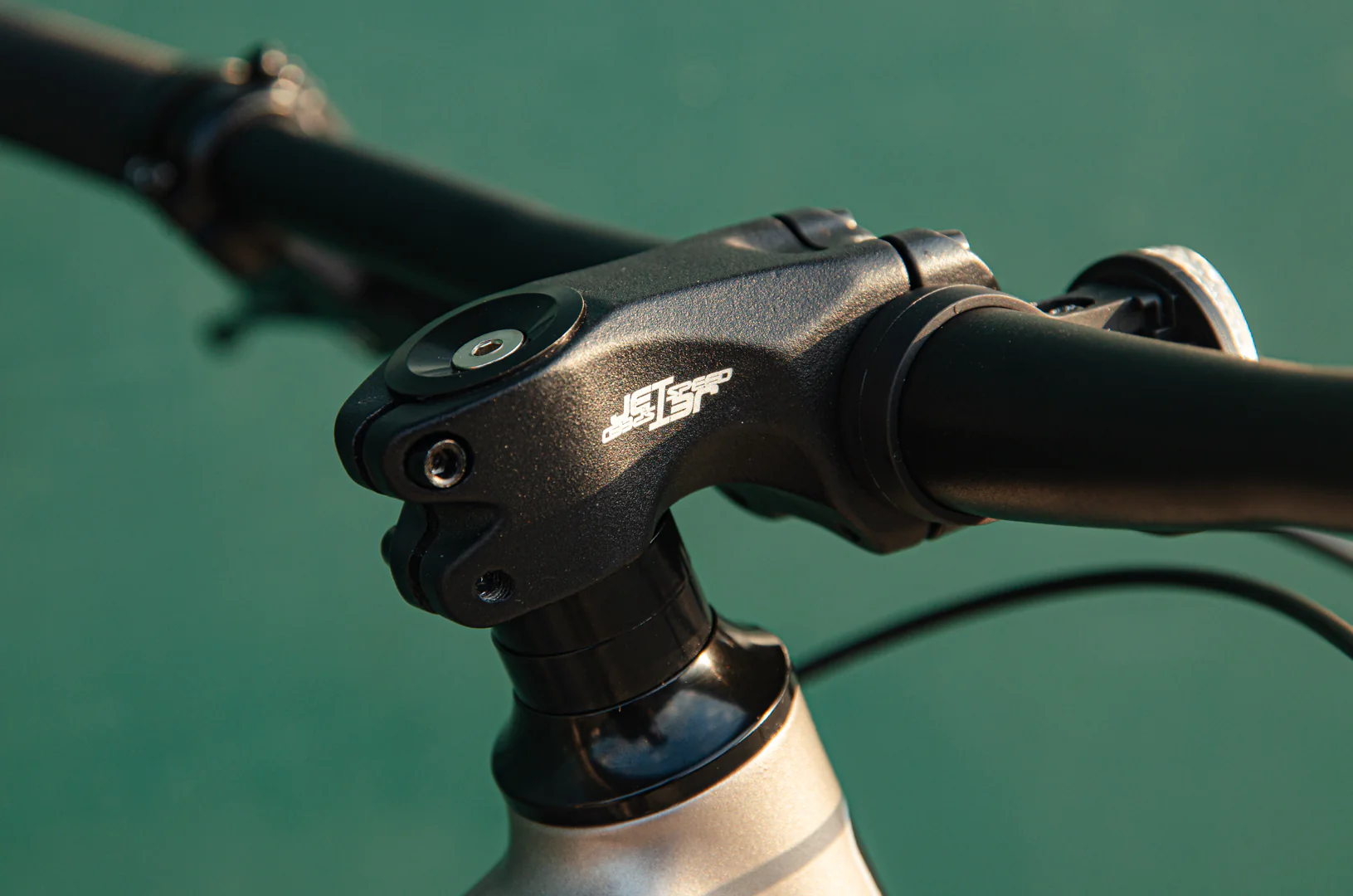
Handlebar: Flat MTB handlebar, width ~700 mm, clamp diameter 31.8 mm
-
Stem: Alloy, length ~50–60 mm, rise angle modest (±7°)
-
Weight: Approx. 14.0 kg (size-dependent, full build)
-
Available Frame Sizes: e.g. S (~15″ / 38 cm), M (~17″ / 43 cm), L (~19″ / 48 cm)
Key Features & Advantages
-
The 1×12 drivetrain simplifies gear shifting and reduces weight, while still offering a wide gear range ideal for climbing and descending.
-
The hydraulic disc brakes deliver strong, consistent stopping power even in wet or muddy conditions.
-
The 29″ wheels help roll over obstacles more easily and maintain momentum on rough trails.
-
A suspension fork with lockout helps absorb shock on rough terrain while offering efficiency when locked on smoother paths.
-
The alloy frame construction balances strength and weight, enabling durability without excessive bulk.
Usage Instructions & Setup Tips
-
Upon receiving the bike, inspect all components for shipping damage, especially frame, fork, wheels and cables.
-
Fit the handlebars, stem, wheels, saddle, and pedals following manufacturer torque specifications (e.g. stem bolts ~5–6 Nm, seatpost clamp ~5 Nm).
-
Adjust front and rear derailleurs (limit screws and cable tension) for smooth shifting across all 12 gears.
-
Align brake calipers and rotor clearance so there is no rubbing.
-
Break in new brake pads by applying moderate braking a few times over the first 10–20 km to bed the surfaces.
-
Before every ride, check quick releases, bolts, and component tightness.
-
After riding in muddy or wet conditions, clean the drivetrain, dry thoroughly, and relubricate the chain and pivot points.
-
Periodically (every few hundred kilometres) check wheel trueness, spoke tension, and hub bearing smoothness.
Precautions & Safety Notes
-
Always wear a helmet, gloves, and appropriate protection when riding off-road.
-
Check frame, fork, components or weld points regularly for cracks, dents or damage.
-
Do not tighten bolts beyond manufacturer’s recommended torque — overtorque may damage threads or parts.
-
Avoid hitting drops or obstacles with full force on the frame or wheels — repeated impacts may cause unseen damage.
-
Use compatible replacement parts only (especially for drivetrain, brakes, tyres) to maintain safe operation.
-
Inspect the chain regularly for stretch — replace when worn to protect the drivetrain.
-
Avoid using high-pressure water jets near bearings, bottom bracket or suspension pivots to prevent water ingress and premature wear.