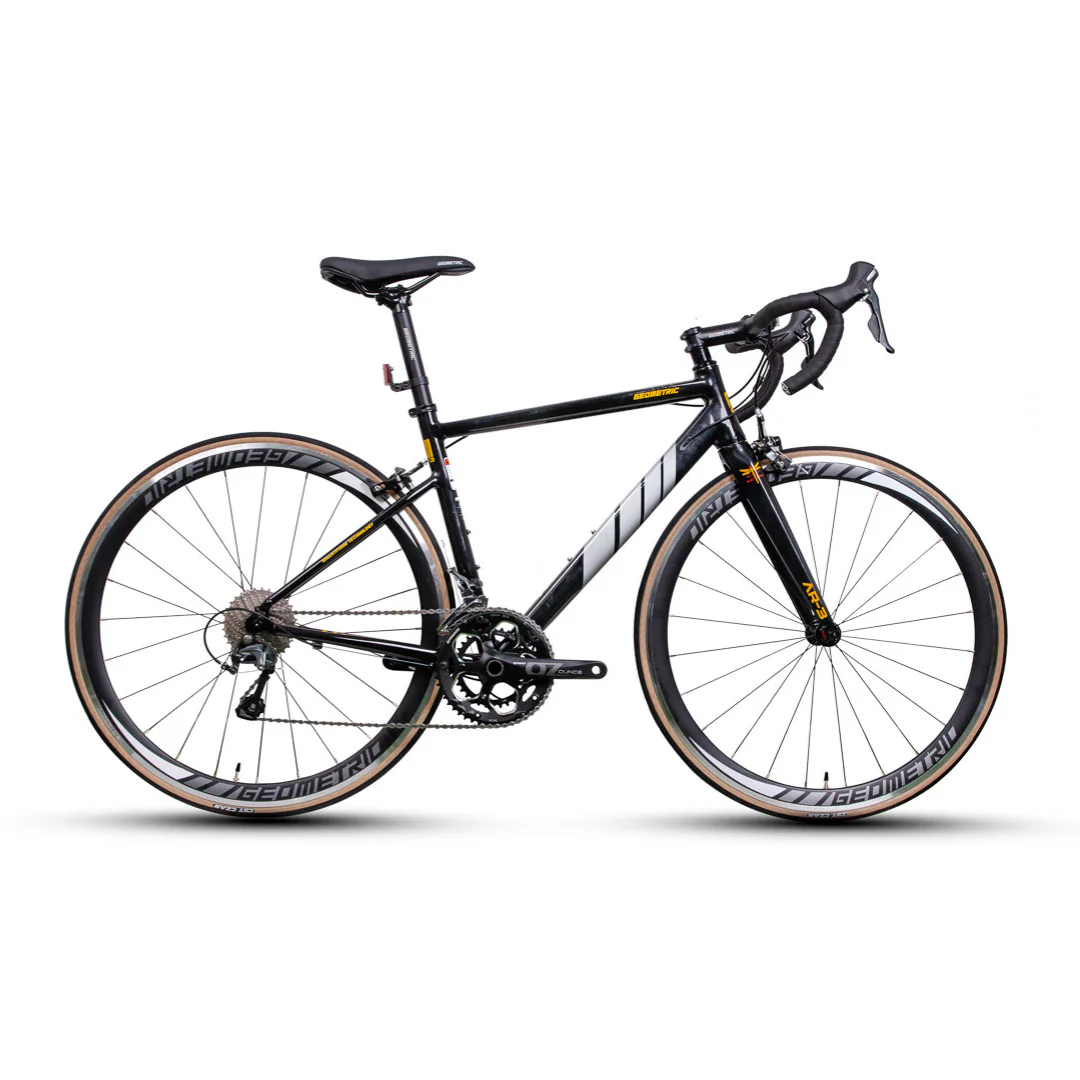
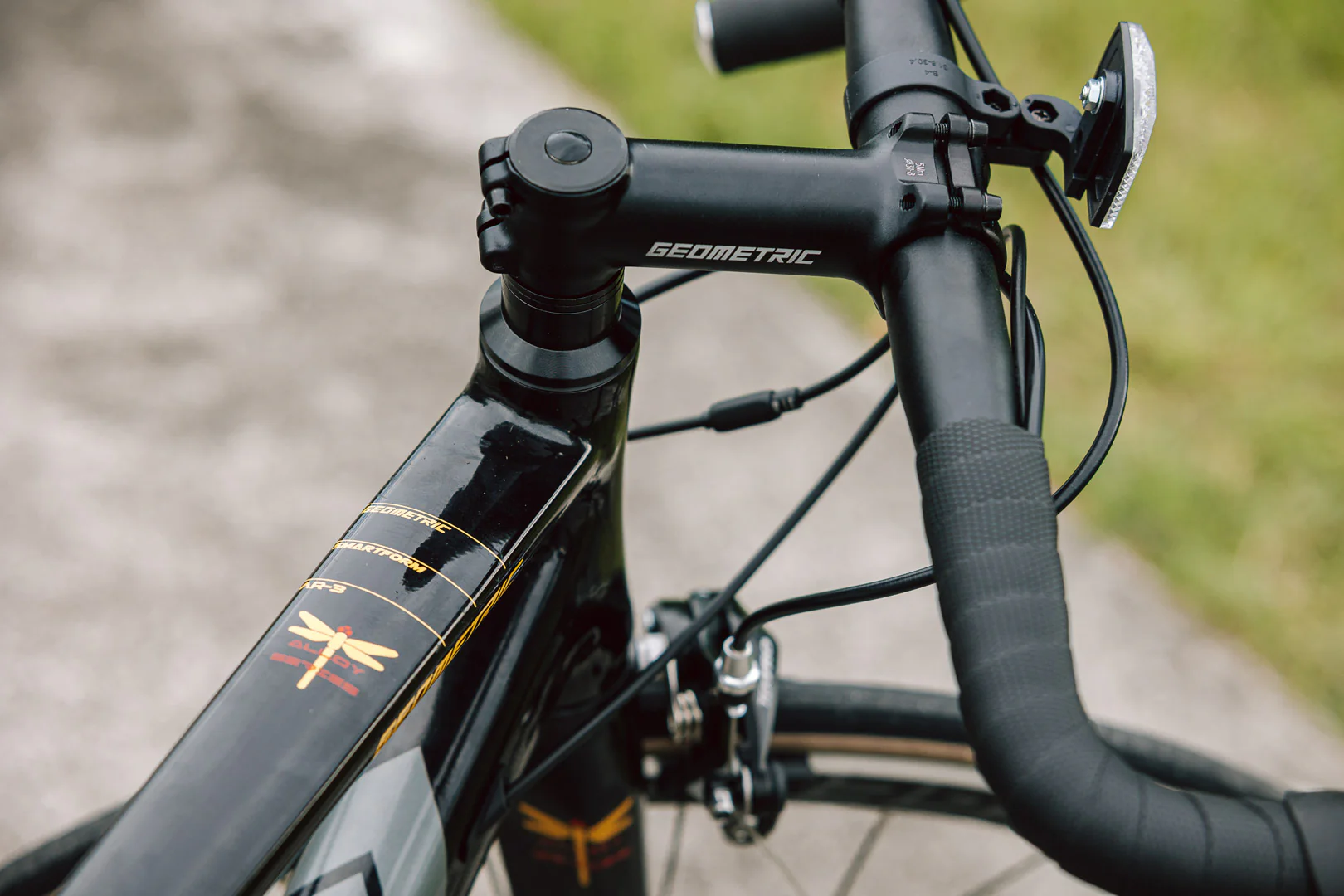
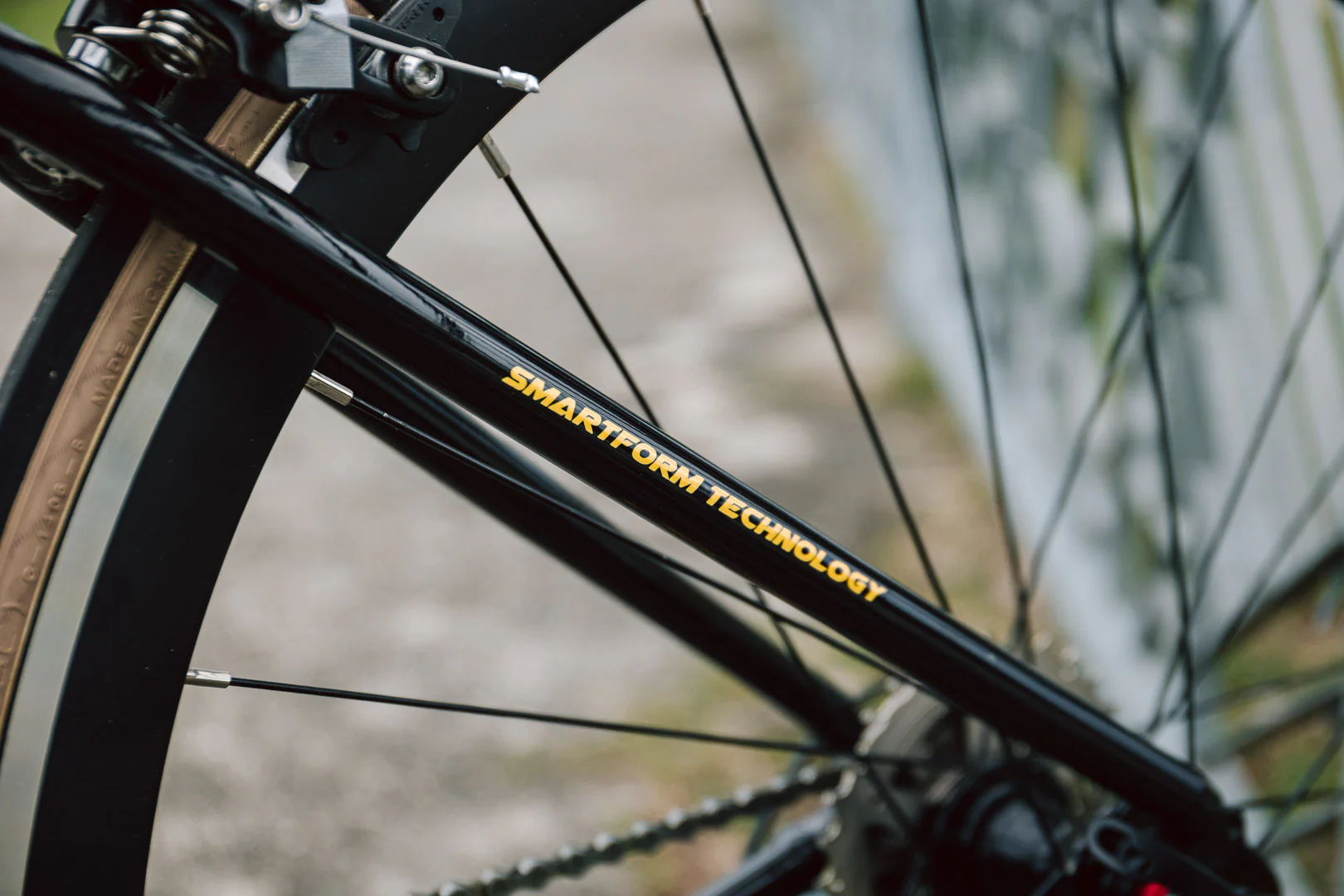
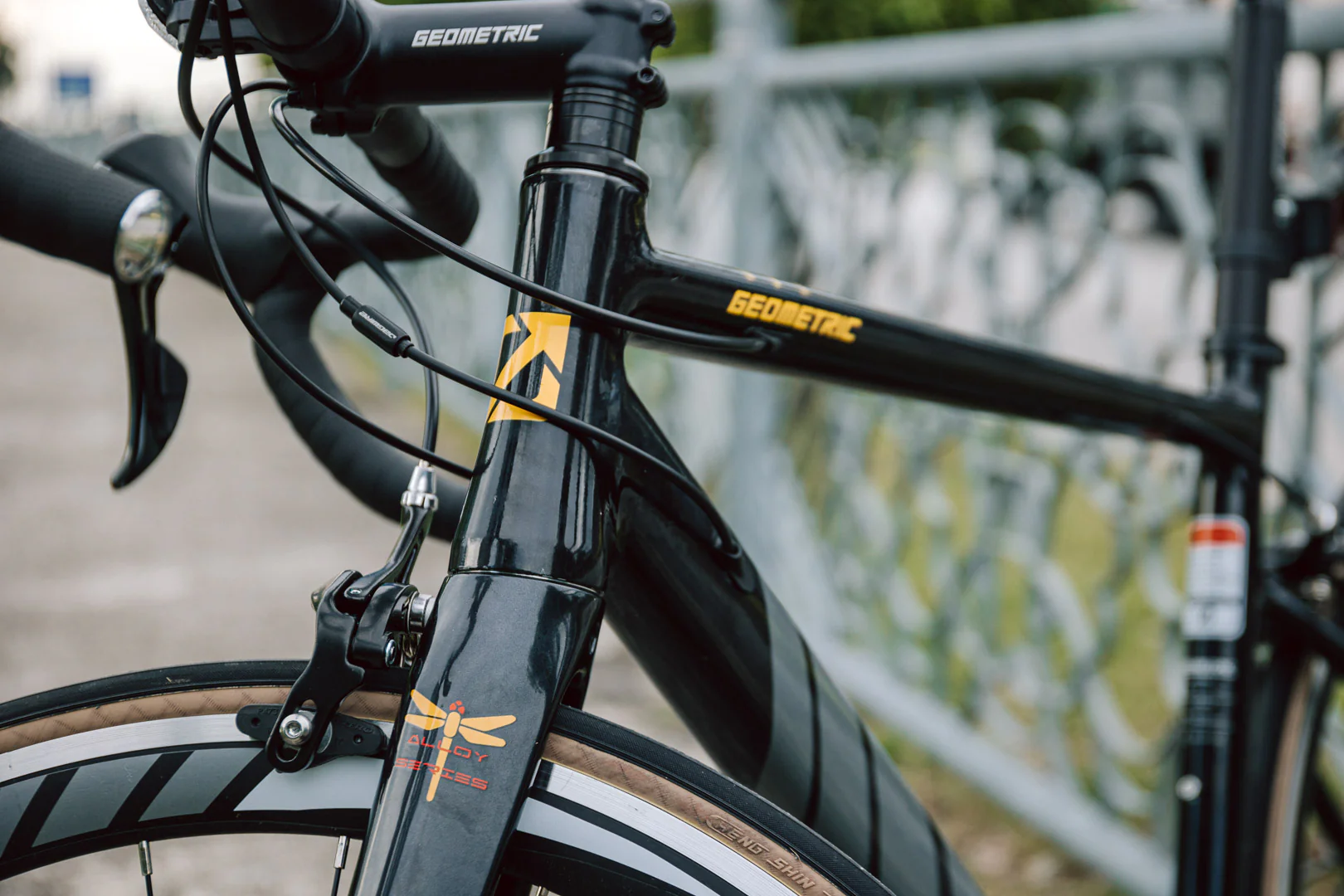
The Geometric AR3 Tiagra 2×10 Road Bike is engineered to deliver dependable performance for road cyclists who want a balanced mix of affordability, durability and capability. This bike features an alloy frame, carbon fork, and Shimano Tiagra 10-speed components—suitable for training, commuting or weekend road rides.
Product Specifications & Dimensions
-
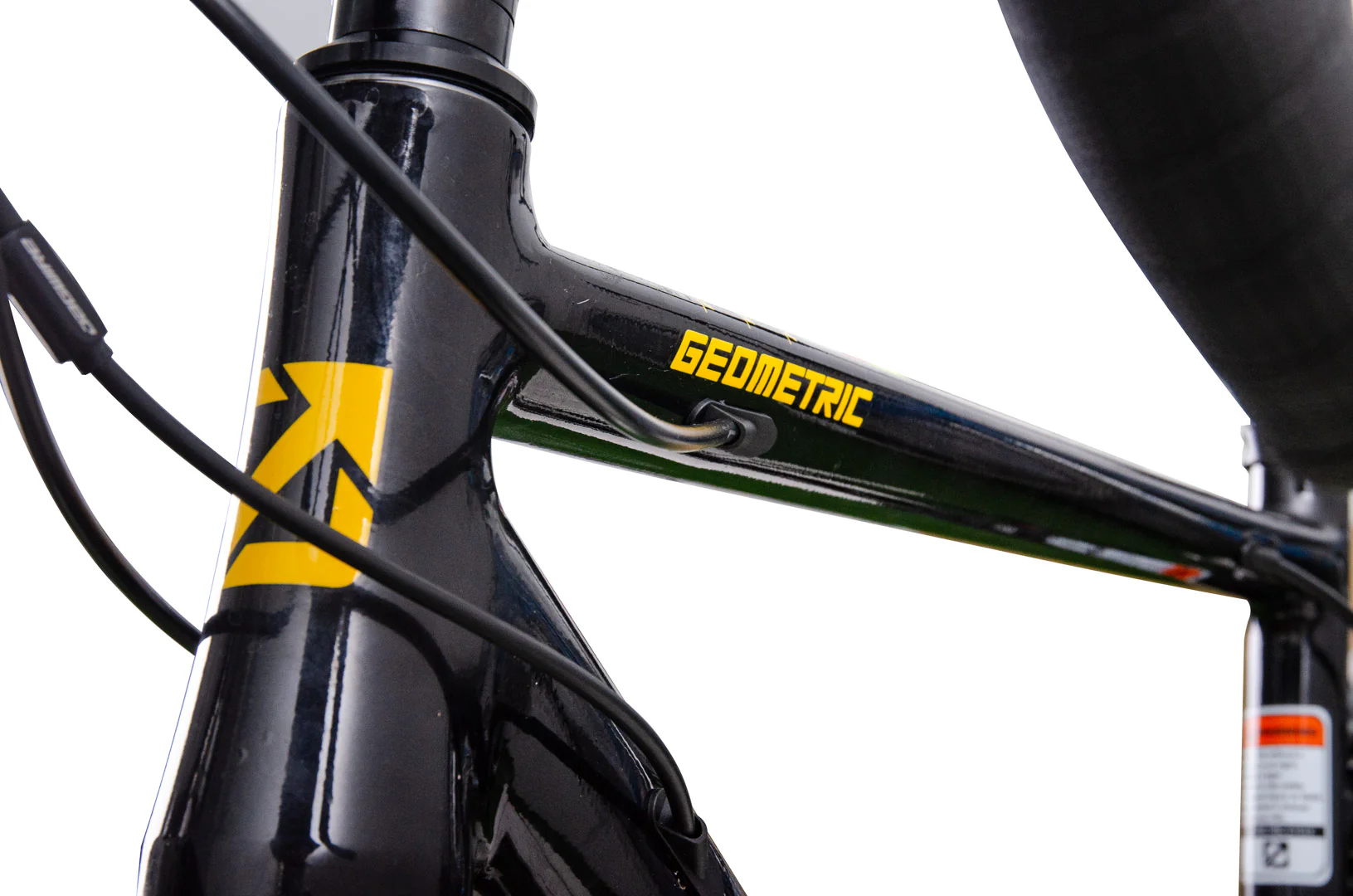
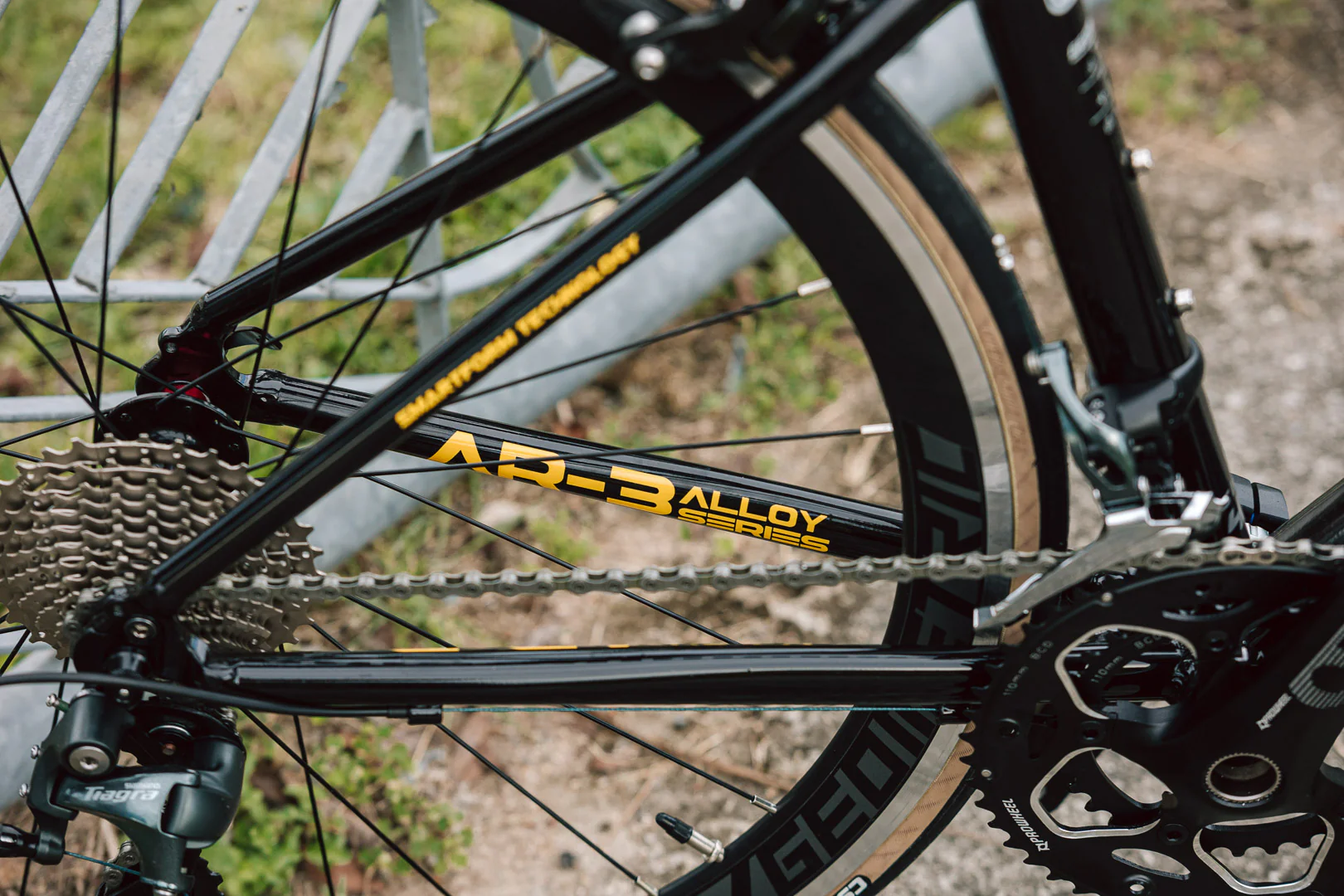
Frame: 700C alloy road frame with smooth welded joints and padded finishing
-
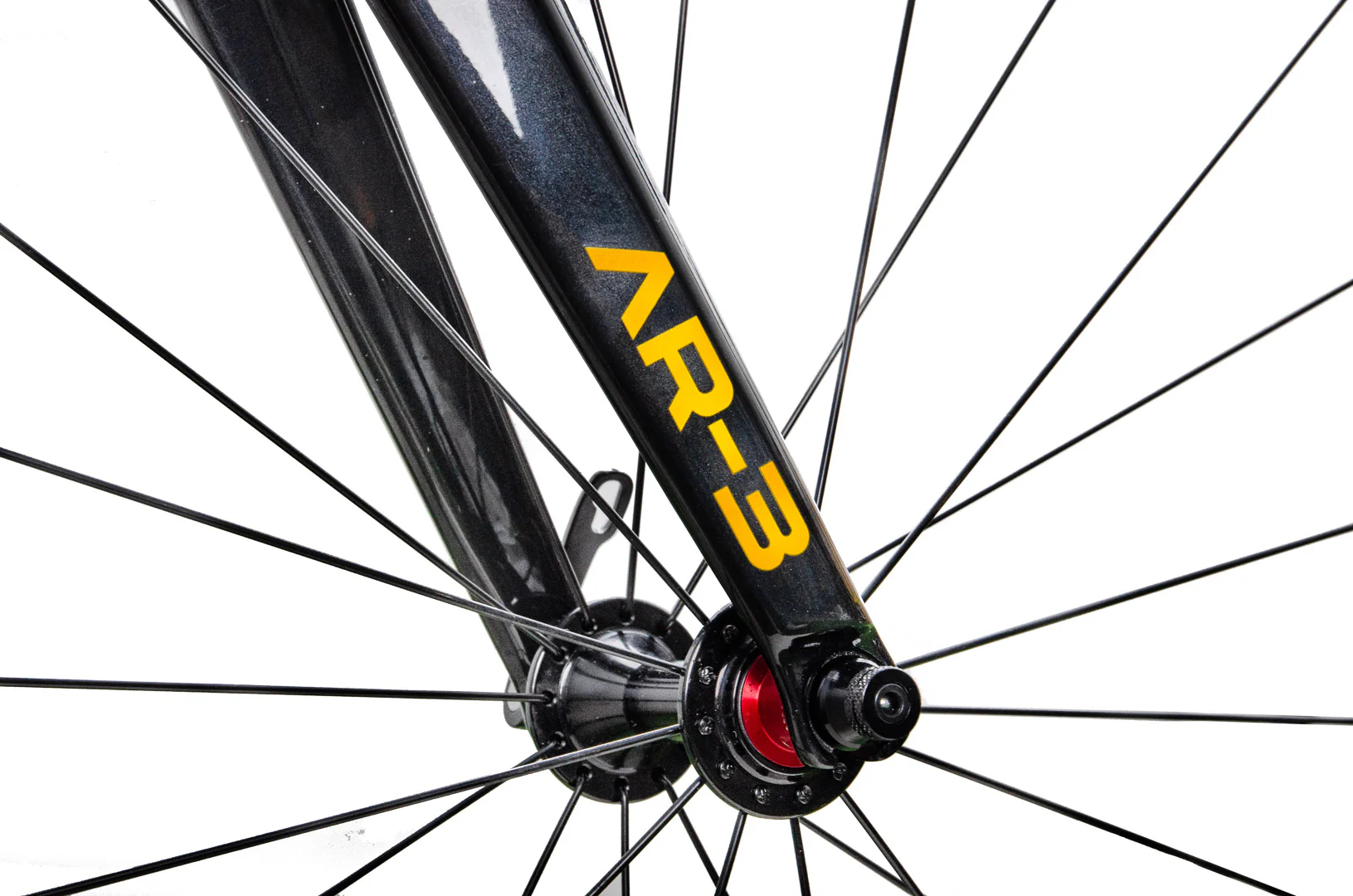
Fork: Rigid carbon fibre fork (700C) for improved vibration damping
-
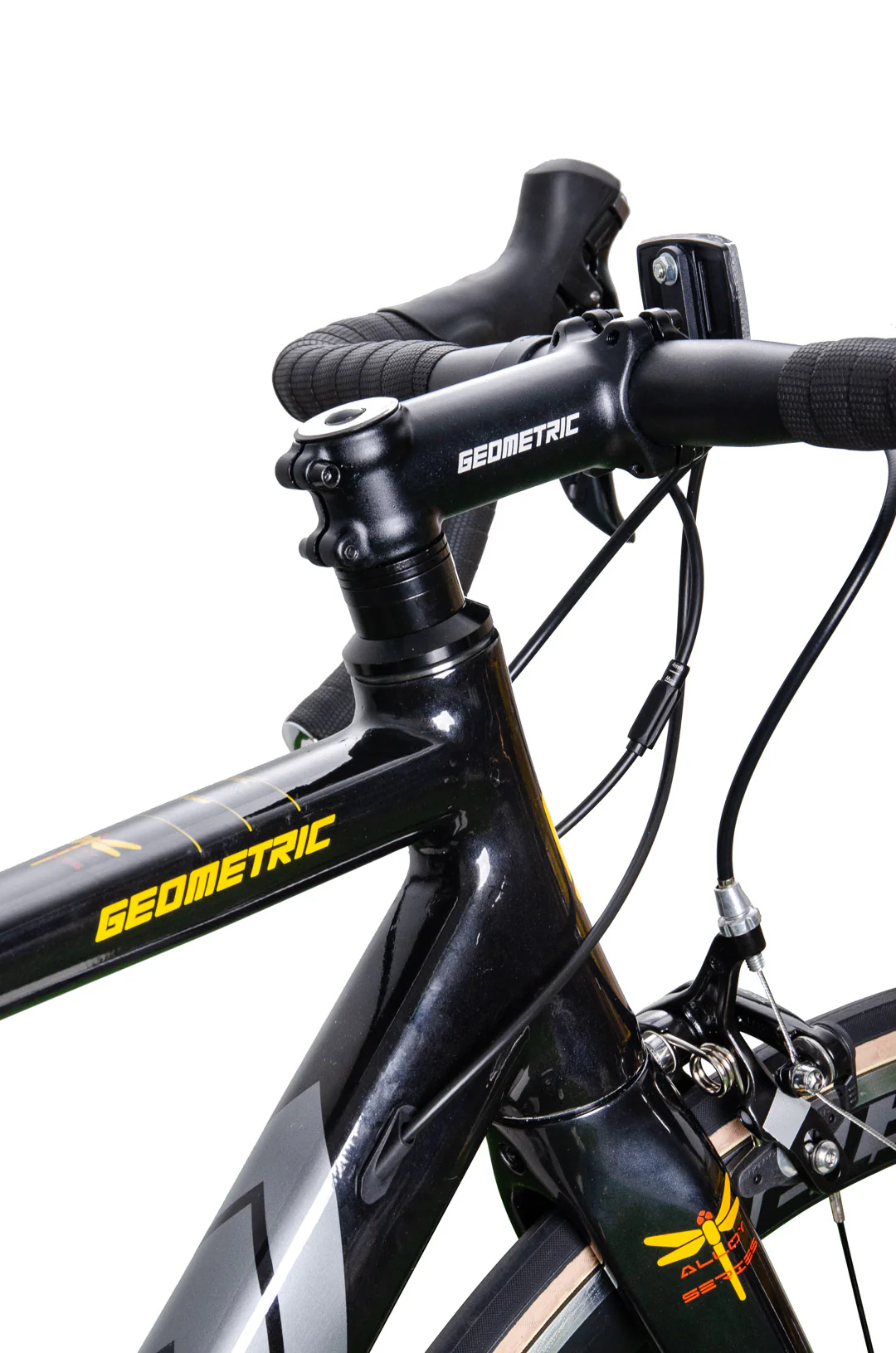
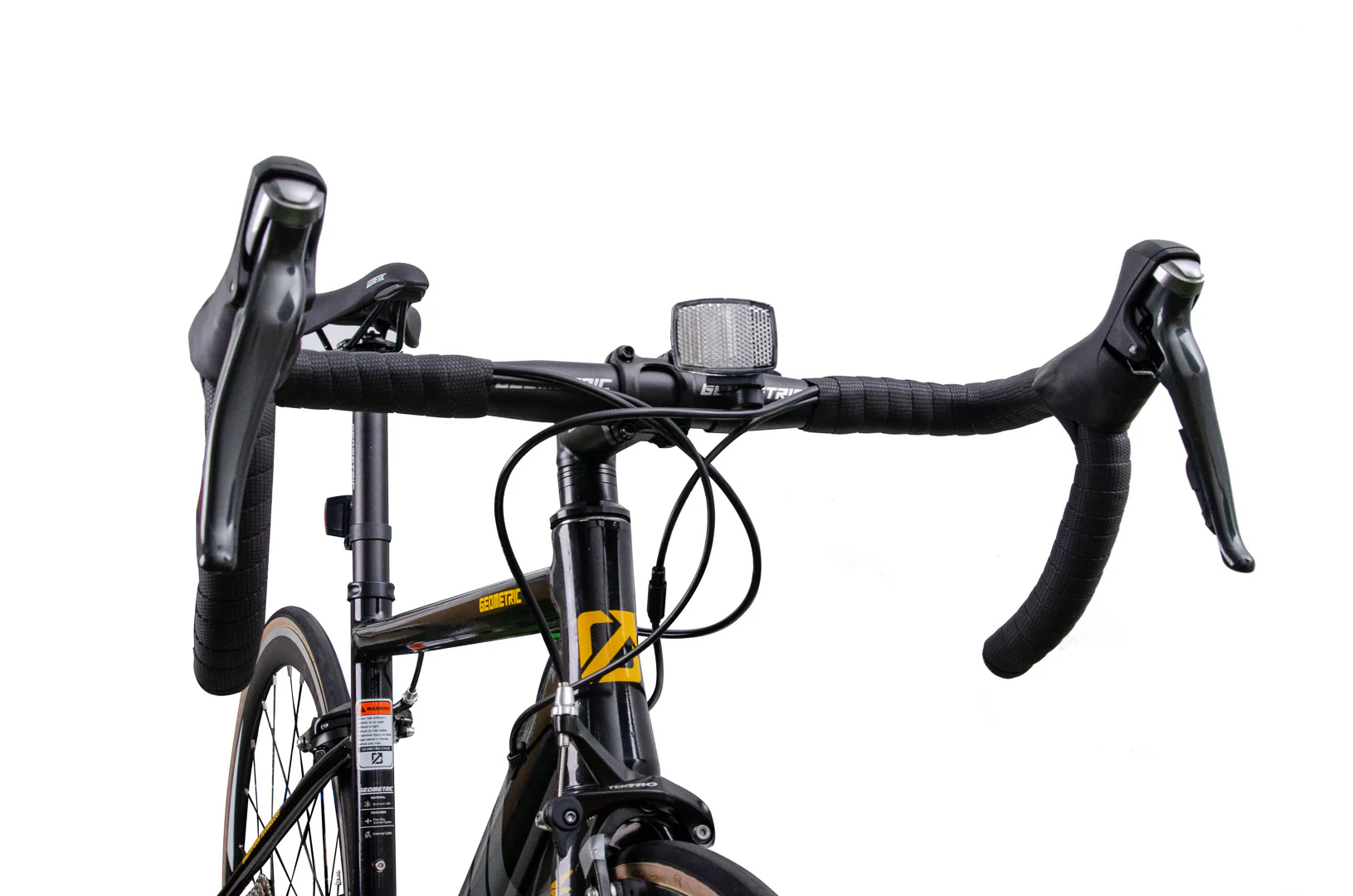
Handlebar: Alloy road handlebar, diameter 23.8 mm (clamp 31.8 mm), width options ~400 / 420 mm
-
Stem: Alloy A-head stem, length options (90 / 100 mm), rise ~ –7°
-
Headset: Alloy, threadless type with sealed bearings
-
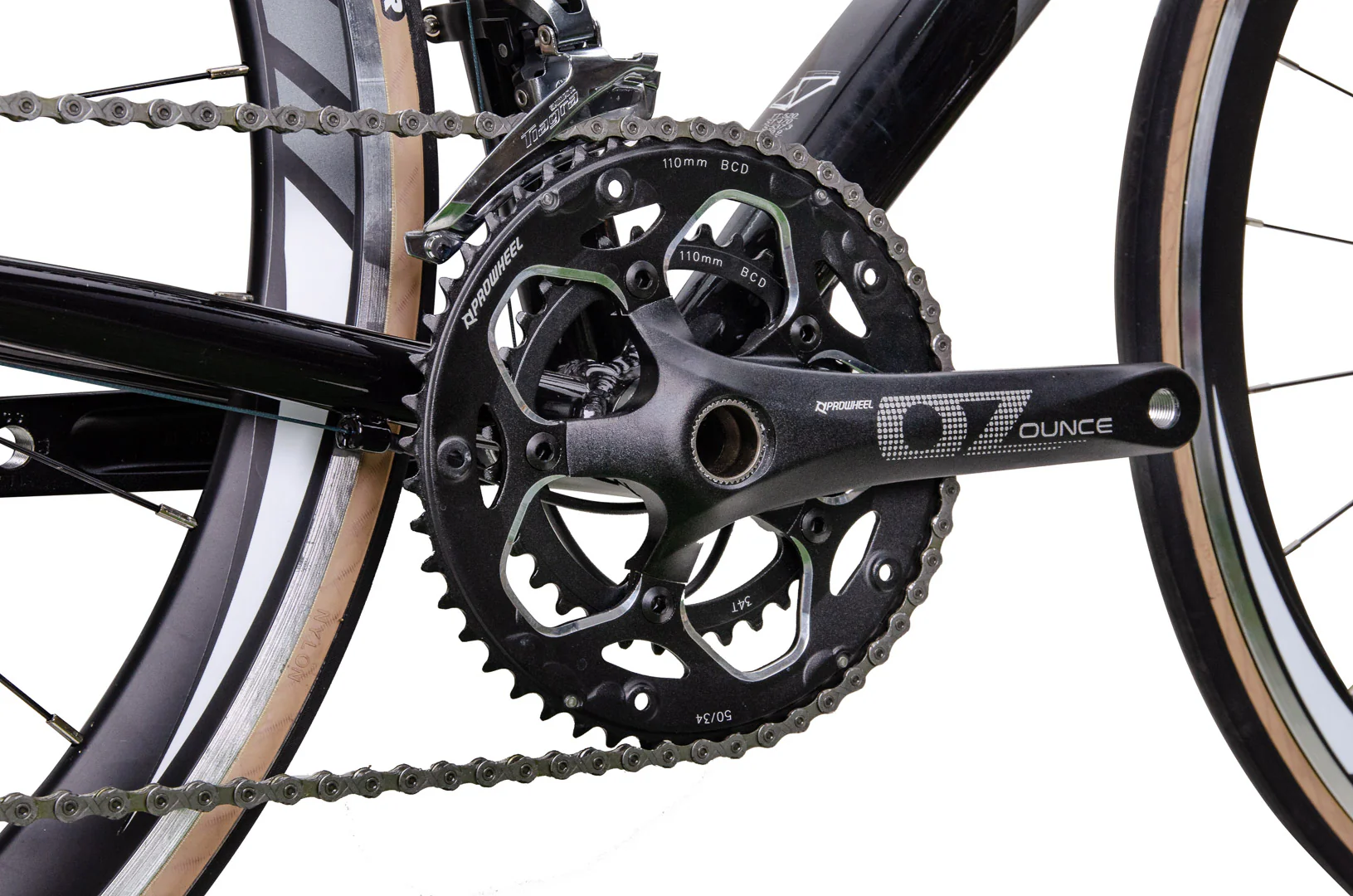
Bottom Bracket & Crankset: Hollow bottom bracket with Prowheel crankset, 34/50T chainrings, crank length 170 mm
-
Front Derailleur: Shimano Tiagra FD-4700 series
-
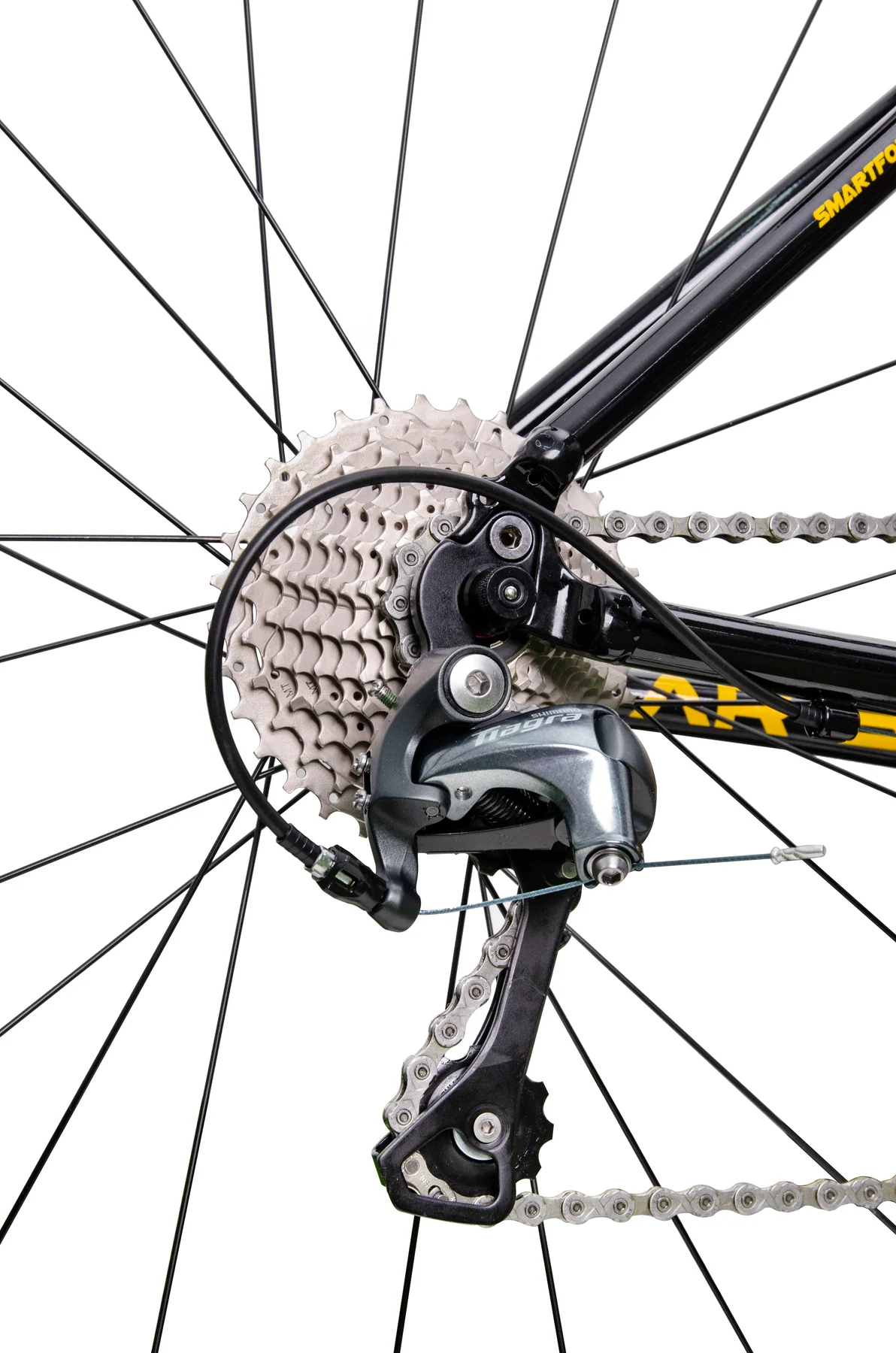
Rear Derailleur: Shimano Tiagra RD-4700, 10-speed
-
Shifters / Brake Levers: Shimano Tiagra ST-4700 (dual control)
-
Cassette / Freewheel: 10-speed, 11-32T range
-
Rims / Wheelset: Double-wall alloy rims, 24 holes (H = 40 mm, W = 20.5 mm)
-
Hubs: Front and rear sealed bearing alloy hubs, quick release
-
Tyres: CST 700×25C, tube (FV valve), skin wall side
-
Seatpost: Alloy, diameter 31.6 mm, length ~300 mm, with clamp included
-
Saddle: Sport / road style saddle (default, may vary)
-
Pedals: Included FP alloy cage pedals (plastic body) with ball bearings
-
Weight: Approximately 10.5 kg (complete)
-
Available Frame Sizes: 45 cm, 47 cm, 49 cm, 51 cm
-
Packaging: ~85% pre-assembled in carton packing
Key Features & Advantages
-
The alloy frame offers a good balance of stiffness, durability, and cost.
-
Carbon fork helps reduce front-end harshness from road vibration.
-
Shimano Tiagra 4700 series provides reliable shifting and braking for a 10-speed setup.
-
The gear ratio (34/50T with 11–32T cassette) gives a useful range for both flats and moderate climbs.
-
Double-wall rims with sealed hubs increase durability and reduce maintenance.
-
Included pedals make the bike ride-ready out of the box (you still may upgrade).
Usage Instructions & Setup Tips
-
On unpacking, check for any shipping damage on frame, fork, wheels, handlebars.
-
Install handlebars, stem, wheels, saddle and pedals per torque specifications (for example, stem bolts ~5–6 Nm, seatpost clamp ~5–6 Nm — follow component specs).
-
Center the front wheel and align the fork so that brake calipers don’t rub.
-
Adjust front and rear derailleur limit screws and cable tension to ensure smooth shifting across all gears.
-
Break in the brake pads gently over the first 20–30 km to allow mating surfaces to bed.
-
Before each ride, always check that bolts (stem, seatpost, stem clamp, wheel quick releases) are firmly tightened.
-
After wet rides, clean the drivetrain, dry and apply lubricant to chain and pivot parts.
-
Periodically (e.g. every 500–1,000 km) inspect wheels for true, spokes for tension, and hubs for bearing smoothness.
Precautions & Safety Notes
-
Always wear appropriate safety gear (helmet, gloves, etc.).
-
Before each ride, inspect the frame, fork and components for cracks, dents or loose bolts.
-
Do not overtighten bolts beyond manufacturer torque — risk damaging threads, rim or frame.
-
Avoid strong side collisions with curbs, potholes or obstacles — although robust, repeated impact stress may cause hidden damage.
-
If any crack or delamination in the alloy or carbon is found, discontinue use and seek professional inspection or repair.
-
Use only compatible spare parts (tires, tubes, brake pads, cables) that match size and spec to maintain safe handling and performance.